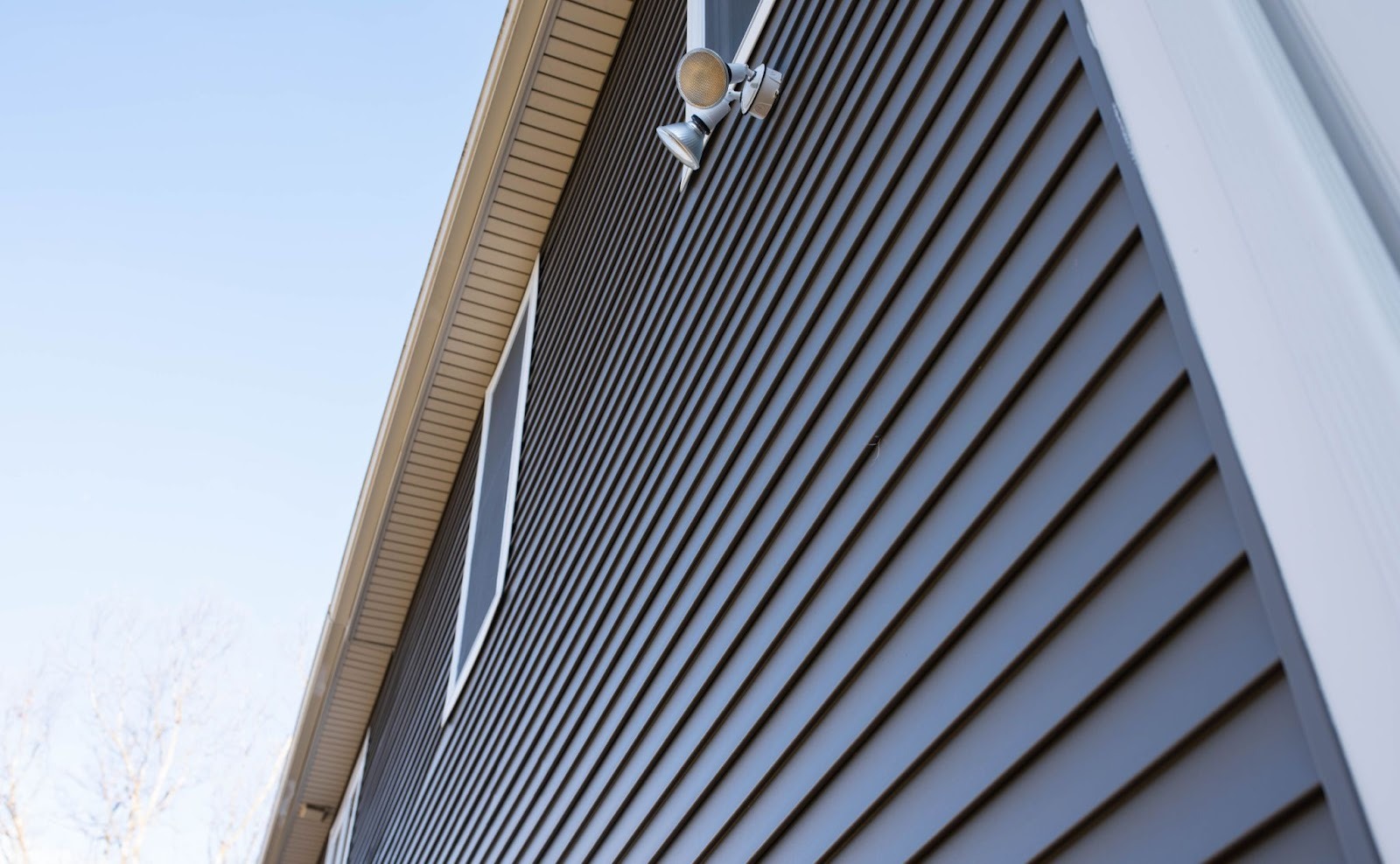
The cost of siding changes fast due to shifting market rates, material supply, and labor demands. Homeowners want clarity because siding affects comfort, curb appeal, and long-term value. Prices vary widely, and each estimate should serve as a guide that stays open to change. Careful planning helps you select options that suit your home’s size and budget.
Understanding Siding Prices by Home Size
Siding prices vary because the size of the home affects the materials used and the labor requirements. Small homes need fewer panels and shorter labor hours, while large homes demand more resources. These elements shift cost ranges and shape the complete price picture. Precise planning helps homeowners build expectations that stay grounded in absolute numbers.
How Home Size Drives Total Siding Costs
Home size directly affects siding cost because wall coverage changes the workload. Small homes move faster during installation due to their compact layouts and simple reach points. Large homes stretch timelines because crews take longer to move materials and complete walls. Trim details also expand with wider exteriors and long rooflines. These shifts widen the gap between total project costs. Prices often vary and should always be considered flexible guides. Market supply also influences final estimates throughout the year.
Material Types for Different Home Sizes
Common siding materials include vinyl, fiber cement, metal, and engineered wood. Smaller homes benefit from low waste because material counts stay tight and predictable. Larger homes increase waste odds due to wider walls and more complex layout cuts. Each material changes its toughness, lifespan, and long-term maintenance requirements. Vinyl often offers budget comfort, while fiber cement gives stronger weather resistance. Engineered wood adds warmth with modern treatments. Each option shifts price levels and updates the final quote.
Siding Prices for Small Homes
Siding prices for small homes stay manageable because material and labor needs remain limited. Estimates stay clearer with smaller surfaces and fewer layout complications. Contractors often complete projects more quickly due to compact wall heights and simple access points. These factors help shape predictable pricing that serves as a flexible guide.
Material Choices and Their Cost Impact
Vinyl remains a leading option for small homes because it delivers substantial value at a steady cost. Installing vinyl flooring typically ranges from $4 to $9 per square foot, with complete small-home projects costing between $8,000 and $14,000. Fiber cement offers both durability and style, and typically falls within a price range of $12,000 to $22,000 for compact homes. Engineered wood costs between $10,000 and $18,000, depending on brand, region, and finish grade. These numbers serve only as guides, as supplier pricing is subject to frequent changes. Material availability also influences totals from one season to another. Every project needs a site review for accurate pricing.
Labor Needs for Smaller Structures
Labor costs stay moderate on small homes because crews handle fewer wall surfaces. Installers work more efficiently due to shorter reach points and fewer setup changes. Cut times also stay brief because layouts tend to remain simple. Weather delays affect small homes less because tasks finish quickly. Labor rates still vary by region, crew experience, and scheduling demand. Scaffolding needs stay limited, which helps control total labor charges. All estimates remain guides because conditions often change.
How Shape and Design Affect Pricing
Shape and layout shift pricing even on compact properties. Homes with extra corners or angled rooflines take more time to finish. Dormers, bump-outs, and porch details raise trim needs and add labor hours. Simple rectangular layouts help crews move faster and reduce costs. Material waste stays lower on simple shapes, improving budget consistency. Design-heavy small homes can still reach mid-range prices. Every quote stays flexible because design details change totals quickly.

Cost Benefits Small Homes Often Gain
Small homes produce less waste, require less labor, and offer a more straightforward cleanup. These strengths help stabilize pricing across most material types. Siding contractors also plan these projects more easily due to tight measurements. Homeowners gain cost clarity with fewer unpredictable charges. Smaller footprints help reduce equipment time, enabling more effective budget management. Prices still vary due to brand, climate, and market timing. Every number remains a guide, but it shifts as conditions change.
Siding Prices for Large Homes
Large homes raise prices due to their wider walls, taller ceilings, and complex features, which require greater load-bearing capacity. Longer timelines increase labor totals and shift installation pacing. Material orders grow because large exteriors demand more panels and trim. These elements build higher price ranges that work only as flexible estimates.
Higher Material Demands and Price Ranges
Vinyl siding for large homes typically ranges from $15,000 to $28,000, depending on the layout, materials, and labor timing. Fiber cement costs approximately $25,000 to $45,000 for full coverage. Engineered wood costs between $20,000 and $40,000, depending on trim counts and finishing needs. Metal siding typically ranges from $28,000 to $55,000 due to its weight, installation requirements, and freight costs. Natural wood costs between $25,000 and $48,000 for large properties due to heavy trim and sealing requirements. These numbers are subject to change in response to market conditions. Every estimate changes once the material grade, height, and layout are evaluated on-site.
Labor Complexity for Larger Structures
Large homes require long labor stretches because crews must cover vast distances and work at high heights. Workers rely on secured ladders and platforms, which increase daily setup time. Multiple stories slow movement across the site and increase fatigue. Large layouts also require more quality checks to maintain clean lines. Trim details compound these challenges, stretching the schedule even further. Seasonal weather often impacts large projects more significantly due to extended timelines. All labor numbers serve only as guides and shift according to contractor availability.
Design Features That Increase Costs
Large homes often include complex exterior elements that can quickly increase siding costs. Extra gables require custom cuts and extended trim work. Wide porches add more wrapping and careful alignment. Tall ceilings increase wall heights and demand more ladder work. Decorative features push trim counts higher and increase material use. Large window groupings raise precision needs and cut times. Every design detail influences the project cost and keeps estimates flexible.
Common Challenges That Add to Total Pricing
Large homes often face delays because tasks span long distances. The impact of weather becomes more pronounced as projects take longer to complete. Material movement slows because crews travel farther between work zones. Trim work multiplies due to expanded designs and long edges. Cleanup takes longer, especially on large multi-day projects. Equipment needs also increase, resulting in additional rental fees. Every price remains a guide due to these unpredictable conditions.
Comparing Siding Prices for Home Sizes
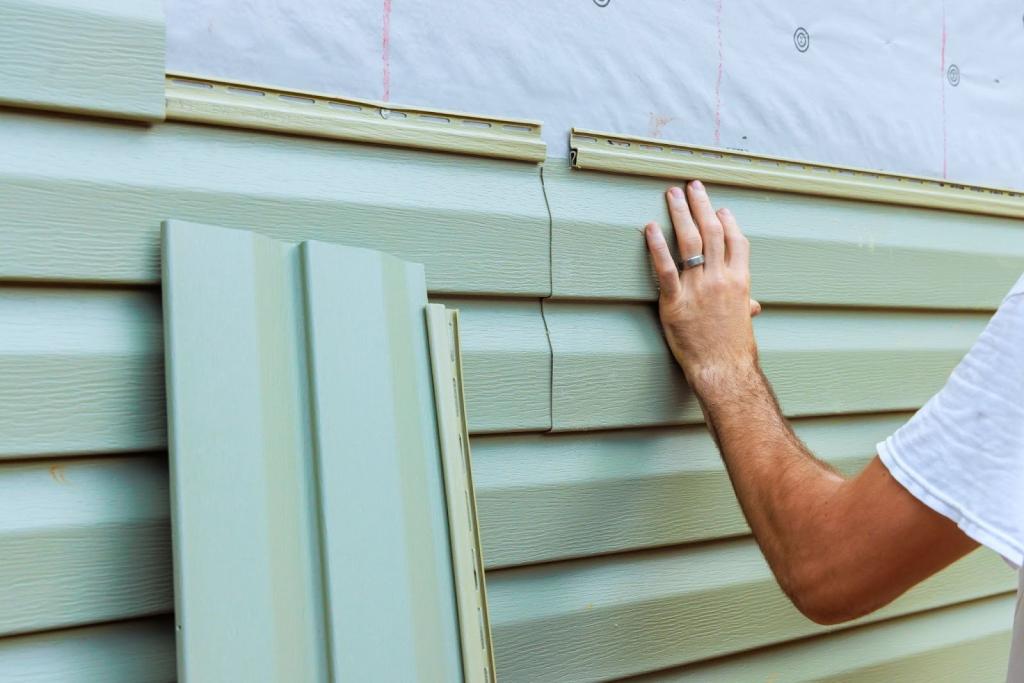
Small and large homes show significant cost differences due to material volume and labor time. Compact homes remain affordable due to their fewer moving parts and tight layouts. Larger homes quickly expand the cost range due to their wider walls and taller ceilings. Each property benefits from a customized plan based on real measurements.
Price Differences Between Small and Large Homes
Price gaps appear mainly in material counts and labor duration. Small homes often need half as much siding as wide properties. Crews finish faster on small homes because there are fewer reach points. Large homes require more setup time because their tall walls require additional preparation. Architectural features widen these gaps even more. Seasonal pricing also shifts these differences. Every range remains fluid and adapts to market changes.
Efficiency Factors Affecting Total Pricing
Small homes allow crews to work efficiently because everything is close by. Large homes reduce efficiency because workers walk farther across the site. Material transport slows down on expansive soils. The weather affects large homes more because of their more prolonged exposure. Smaller work zones help crews stay organized throughout the job. Trim work also finishes faster on small layouts. All these details influence cost in different ways.
Long-Term Value Across Home Sizes
Long-term value depends on material quality, maintenance, and exposure to climate. Small homes cost less to maintain over time because they have less coverage. Large homes require higher upkeep because their wide walls weather more quickly. Fiber cement holds value well across all climates. Vinyl offers a steady budget option with easy cleaning. Engineered wood performs well when properly sealed—each home size benefits from tailored maintenance planning.
Managing Siding Prices for Any Home Size
Homeowners can control siding costs by making wise material choices, planning effectively, and hiring the right contractor. Each step enhances budget accuracy and minimizes surprises. Cost awareness helps prevent stress during installation. Clear guidance builds confidence for homes of every size.
Choosing the Right Siding Material
Material selection sets the tone for budget and performance. Vinyl offers the best balance of durability and cost. Fiber cement offers strong weather resistance at a moderate cost increase. Engineered wood provides warmth and charm at a higher price point. Metal siding supports modern homes with a clean, textured appearance and low maintenance. Each option works well with certain climates and house styles. Prices fluctuate frequently and remain flexible as supply conditions change.
Picking the Best Project Timing
Seasonal schedules influence contractor availability and material pricing. Busy seasons raise labor rates because crews fill their calendars. Slow periods offer more open time slots and potential savings. Some suppliers increase their prices during periods of high demand. The weather also affects productivity on many job sites. Homeowners gain better clarity when they plan for several weeks in advance. All timing choices depend on contractor schedules and supply trends.
Hiring a Skilled Siding Contractor
A skilled siding contractor delivers accurate estimates and avoids costly mistakes. Experience matters because siding requires precise alignment and meticulous attention to detail. High-quality crews work efficiently without compromising precision. Communication stays clear when the contractor explains materials and timelines. Homeowners gain trust when their expectations align with the work that is being done. Professional teams handle surprises with controlled solutions. Labor pricing still varies by region and skill level.
Plan Smart With Siding That Fits Your Budget
Siding shapes the look and strength of your home, so choosing wisely helps you control both cost and long-term value. A quick consultation with a trusted siding specialist provides clear options that align with your home’s size and financial goals. You gain direction without guesswork and move closer to a reliable exterior that supports your plans. Reach out now and start building a siding strategy that feels right for your home.
Visit the LKB Home Improvements blog for clear guidance, clever tips, and expert viewpoints that support confident home decisions.