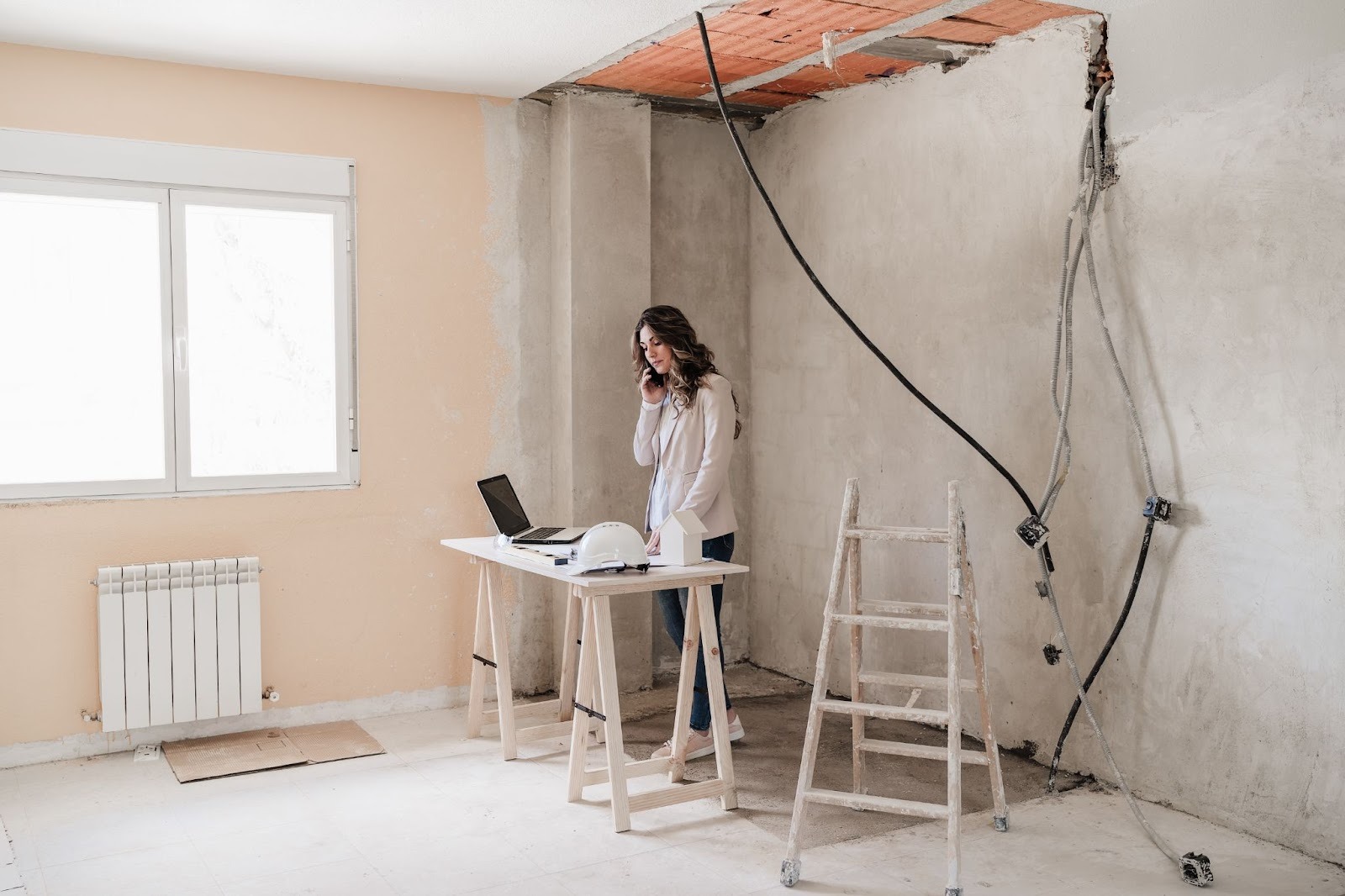
Home renovation projects often uncover surprises that sit beneath the surface for years. Many homeowners begin with clear plans, yet unexpected issues shift timelines and budgets fast. These discoveries may feel stressful, but each one brings a chance to strengthen the home. Every hidden problem can be managed with smart steps and steady decisions. The right approach brings clarity and keeps your renovation moving forward.
Common Problems in Home Renovations
Hidden renovation issues often surface once walls are opened or floors are lifted. These problems form from age, past repairs, or long-term wear that remained out of sight. Homeowners feel more confident when they know the common issues that surface during construction. Each one requires explicit action that protects the home and the project.
Aging Home Electrical Systems
Old wiring creates risks once renovation work exposes damaged sections behind walls. Some circuits fail because they carry outdated materials that cannot support modern power needs. Loose connections also cause sparks and overloads in high-use rooms. A licensed electrician inspects each circuit and identifies hazards before new finishes go in. Their review supports safer renovations with fewer delays. This step protects your home and strengthens long-term safety.
Outdated or Damaged Plumbing
Older plumbing systems often hide corrosion that weakens pipes and joints. Renovation work disrupts these fragile parts when walls or cabinets are moved. This damage can cause leaks that travel into floors or framing. A skilled plumber replaces worn pipes with stronger materials designed for current building standards. These upgrades help prevent future breaks in high-use areas. Reliable plumbing delivers cleaner water flow with fewer surprise repairs.
Structural Weakness in Homes
Framing issues become clear once old drywall and finishes come down. Some studs shift due to long-term settling, while others rot from accumulated moisture. These weaknesses affect floors, ceilings, and new installations. A structural specialist analyzes each area and recommends reinforcement methods that stabilize the space. Their work creates a dependable base for every step that follows. This repair protects the entire home from more serious structural issues.
Moisture and Ventilation Issues
Moisture hides behind walls and under floors where airflow stays restricted. These damp areas weaken insulation and encourage mold growth in warm seasons. Renovation crews often find stains, soft framing, and lingering odors that signal deeper problems. A contractor adds ventilation systems that direct damp air outward. Strong airflow protects materials and supports cleaner indoor air. This change improves comfort and reduces future repair risks.
Unseen Issues in Home Renovations
Unseen renovation issues develop over time as materials age, settle, or break down. These problems remain hidden until construction exposes them directly. Homeowners gain control when they identify these concerns fast and choose the proper next steps. Each hidden problem offers a chance to repair the home before more damage occurs.
Hazards in Older Home Materials
Older homes often contain materials linked to health concerns after nationwide standards changed. Asbestos, lead paint, and outdated insulation may be present in ceilings or walls without obvious signs. Renovation work disrupts these materials, releasing particles that harm indoor air quality. Certified removal teams seal the area and dispose of materials in accordance with strict regulations. Their training protects families and workers during each step. This process keeps the home safe as new updates go in.
Foundation Cracks in Renovations
Foundation cracks affect floors, walls, and doorways through shifts that start deep in the soil. Renovation crews often spot these cracks once the flooring comes up or the lower walls open. This kind of damage needs review from a foundation expert trained in structural movement. Repairs may involve leveling systems, sealants, or reinforcements that stop further shifts. These solutions stabilize the home before new improvements proceed. Strong foundations support every upgrade completed above them.
Poor DIY Work Exposed
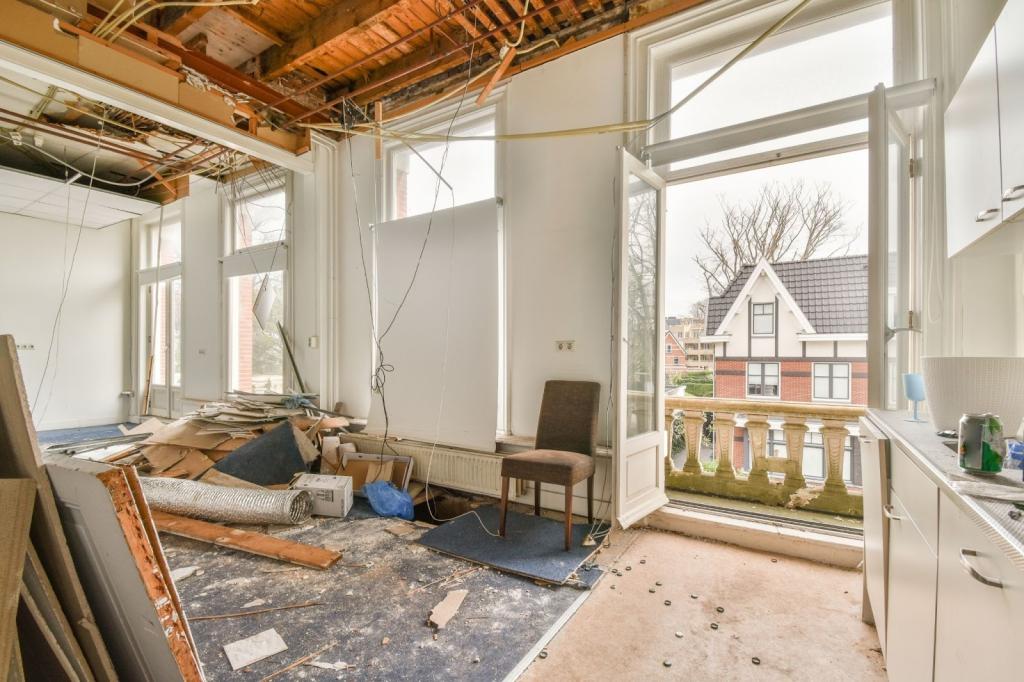
Many homes include repairs done by previous owners using basic tools or incomplete methods. These shortcuts hide behind clean finishes, revealing deeper flaws during renovation. Wiring may lack grounding, plumbing may use weak fittings, and framing may not meet code. Contractors remove faulty work and rebuild sections with durable materials. Clean craftsmanship prevents failures and repeated damage. This correction improves reliability across the home.
Pest Damage in Home Walls
Pests create internal damage long before owners notice holes or sounds. Termites weaken beams while rodents shred insulation and wiring. Renovation work exposes these unsafe areas once the protective layers are removed. A pest specialist treats the infestation and secures entry points around the home. Contractors replace affected materials with stronger or treated lumber. These steps protect the home from future infestations.
Homeowners’ Blind Spots in Renovations
Homeowners focus on visible upgrades, yet hidden systems shape the real outcome of a renovation. These blind spots lead to unexpected problems that surface once work begins. Many of these issues form slowly and stay unnoticed until walls and floors open. Understanding these blind spots helps homeowners make stronger choices during planning.
Overlooking System Wear Behind Finished Surfaces
Some homeowners underestimate the age and wear of electrical, plumbing, and mechanical systems. These parts sit behind finishes and rarely show distress until renovation crews begin removing materials. Slow leaks, loose wiring, and sagging duct lines often grow over the years without a clear sign. Contractors find these issues once cabinets, drywall, and flooring come out. Homeowners gain better control when they expect these discoveries and budget for them. This awareness leads to smoother progress and fewer stressful delays.
Underestimating Load Demands of Modern Living
Modern appliances and devices place greater strain on older home systems. Many older houses lack proper wiring or panel capacity for current household needs. During renovations, these limits manifest as tripped circuits or overloaded lines. Contractors often recommend upgrades to match safe usage levels. Homeowners who understand these demands make faster, more informed decisions. This clarity supports safer, more efficient renovation outcomes.
Misjudging Material Lifespan Inside the Home
Every material in a home has a lifespan, and many owners assume these parts last much longer than they do. Insulation settles, framing dries out, and plumbing joints corrode over decades. Once renovation work begins, these weak points appear in areas that looked fine from the outside. Contractors replace or reinforce these components to restore structural strength. Homeowners benefit when they know that hidden aging often triggers required repairs. This understanding prevents surprise reactions during construction.

Climate Factors Affecting Hidden Renovation Issues
Local climate shapes how materials age, shift, and react during renovation work. Heat, moisture, storms, and soil conditions all influence hidden problems that appear behind walls. These factors help predict which issues homeowners may face during upgrades. Knowing these patterns supports better planning and safer decisions.
Moisture Risks in Humid or Coastal Areas
Homes in humid or coastal regions experience constant moisture exposure that seeps into framing and insulation. Salt in the air accelerates corrosion in wiring, fasteners, and metal fixtures. Renovation crews often uncover rust, soft wood, and mold behind finished areas. Contractors install moisture barriers, improve ventilation, and use corrosion-resistant materials to address these issues. Homeowners who understand these risks adjust budgets and priorities with more confidence. This knowledge supports stronger long-term performance in humid climates.
Structural Shifts in Dry or Heat-Prone Regions
Dry climates cause wood framing to shrink and swell, leading to cracks and gaps. Older homes are more prone to temperature swings that strain beams and joints. Renovation work reveals these shifts once walls open and framing becomes visible. Contractors stabilize weak points and reinforce areas that have moved over time. Homeowners who live in hot or dry regions benefit from early evaluations before construction begins. This preparation reduces delays caused by climate-driven structural issues.
Soil Movement Challenges in Certain Regions
Some regions experience soil movement due to clay expansion, freeze-thaw cycles, or seismic activity. These shifts push against foundations, creating cracks that spread into floors and walls. Renovation crews often uncover these problems while removing flooring or opening lower-level walls. Specialists assess the home and recommend leveling or reinforcement methods. Homeowners who understand these regional risks plan renovations more effectively. This insight protects the house from long-term structural stress.
Keeping Home Renovations on Track
Strong renovation systems help homeowners stay steady when hidden issues appear. Planning, communication, and clear documentation support smoother decisions. Every project benefits from a structured approach that maintains steady progress. Homeowners who prepare for surprises enjoy stronger results.
Clear Renovation Contingency Plan
A contingency plan prepares homeowners for sudden repairs in major project phases. Budget buffers and time allowances help solve issues without halting progress. Contractors rely on these reserves to act quickly when unexpected damage appears. These allowances maintain momentum and support safe work. They also reduce stress during challenging decisions. This plan builds more substantial confidence from the start.
Documenting Repairs and Upgrades
Documentation records each repair, the material choice, and each system update during the renovation. Photos and notes help explain why specific fixes were needed. Contractors use these details to plan future maintenance or upgrades. Detailed logs also offer transparency to future buyers. Good documentation strengthens long-term home value. This record supports a clear understanding of the home’s history.
Staying in Touch With Contractors
Regular communication keeps homeowners aligned with contractors across all phases. Frequent updates answer questions before confusion builds. Contractors explain issues clearly and offer realistic solutions. Open conversations help homeowners make informed decisions quickly. This teamwork reduces slowdowns and avoids misunderstandings. Strong communication supports better outcomes.
Prioritizing Home Safety
Safety directs every choice when hidden issues affect the home’s structure or systems. Weak framing, faulty wiring, and plumbing leaks need prompt attention before cosmetic work. Contractors explain risks and recommend solutions that protect your household. Repairing these issues first prevents more serious damage later. Safer homes cost less to maintain over time. This priority supports a reliable living space.
Shape the Direction of Your Home Renovations
Hidden issues reveal what your home needs most, and each decision you make during a renovation sets the path for stronger function and lasting comfort. Addressing these problems now creates a better living environment that supports daily life with fewer disruptions. Your home responds to thoughtful choices that fix weaknesses before they grow. Start shaping that direction today with steps that strengthen your space from the inside out.
Explore deeper insights and practical guidance on the LKB Home Improvements blog, and stay ahead at every step of your renovation journey.