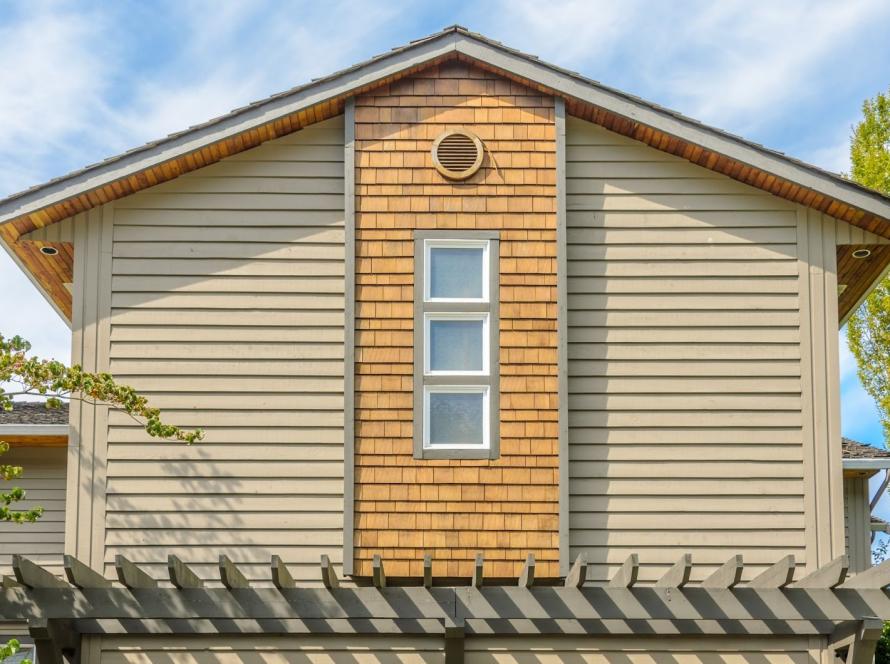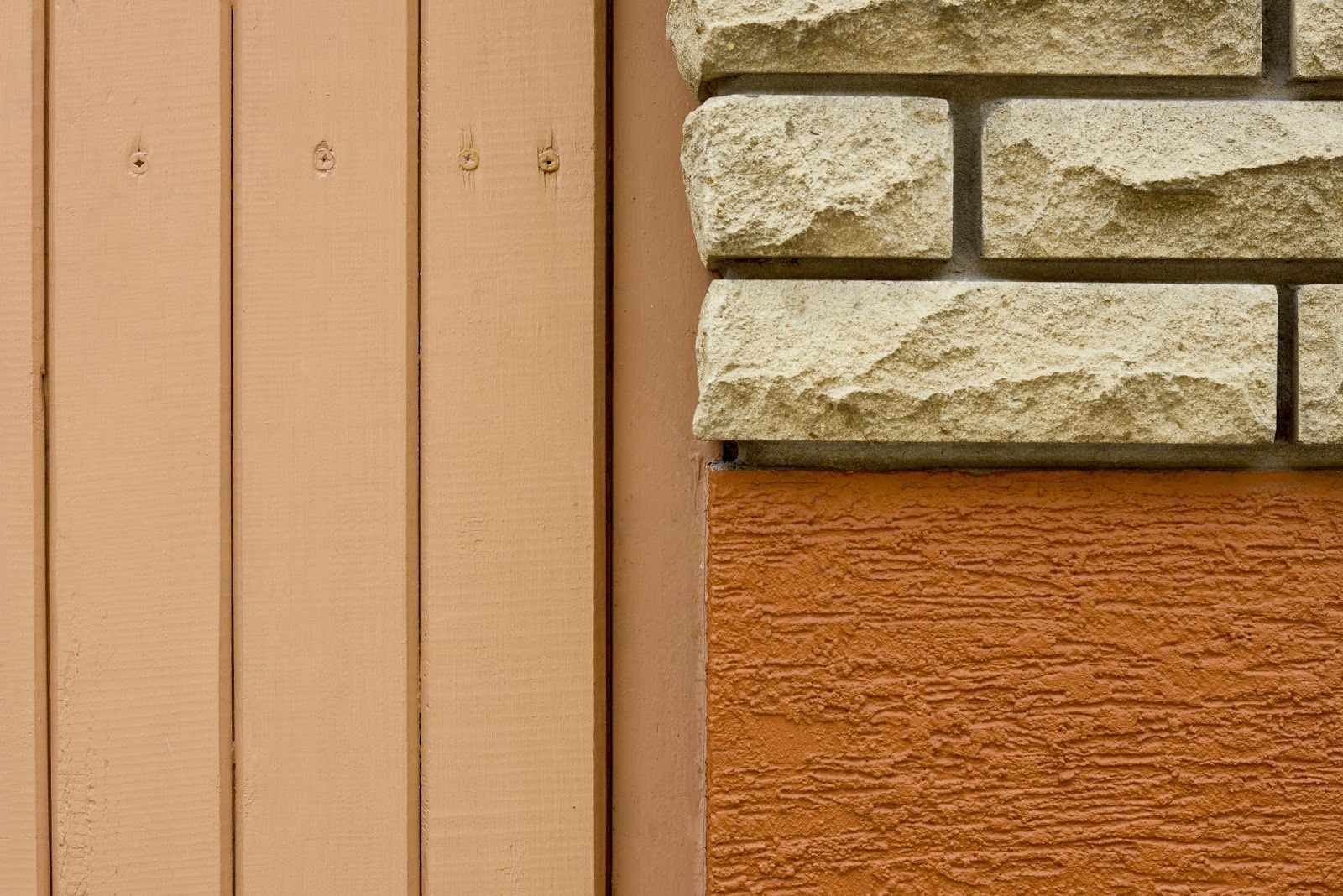
Many homeowners begin searching for new siding when their exterior shows signs of wear or no longer protects their home. The range of available options can feel confusing because each material offers different strengths and care needs. A careful look at the most common types of siding helps homeowners sort out what supports comfort and long-term value. The right material can enhance the home’s appearance while also supporting stability in local weather. Every choice becomes easier when each option is clearly explained and framed in practical terms.
Popular Home Siding Materials
Popular siding materials offer different benefits because each one serves a unique purpose. Vinyl, fiber cement, wood, engineered wood, and metal all support homes in different climates and budgets. Homeowners gain clarity when they understand how each material behaves over time. Many families choose the best match by balancing durability, style, and upkeep.
Vinyl Siding Benefits and Uses
Vinyl siding serves homeowners who want practical costs, steady durability, and simple upkeep. Many families choose vinyl because it holds color well and resists pests and moisture. Each panel stays flexible enough to manage seasonal shifts without cracking in most climates. A wide range of profiles enables vinyl to support both traditional and modern homes. Routine rinsing helps the material stay clean without requiring heavy maintenance. Many homeowners see vinyl as a practical way to refresh their home without stretching their budget.
Fiber Cement Siding Advantages
Fiber cement siding derives its strength from a blend of cement, sand, and cellulose fibers. Many homeowners choose it because it mimics wood grain while offering greater stability in harsh climates. Each board resists heat, pests, and moisture with reliable consistency across seasons. Paint adheres well and retains its rich color, helping homes maintain a fresh exterior for years. Maintenance remains predictable, with occasional repainting. Many families trust fiber cement because it offers long-term value with minimal maintenance.
Wood Siding Qualities
Wood siding delivers natural character through warm tones and rich grain patterns. Many homeowners appreciate cedar and redwood because they resist decay when properly sealed. Each board creates a classic look that adds charm to both older and newer homes. Routine staining or painting helps wood manage moisture and sun exposure with good results. The cost depends on the species and finish, giving homeowners flexibility. Many families choose wood when they value authentic craftsmanship and timeless beauty.
Engineered Wood Siding Features
Engineered wood siding blends wood fibers with resins to create strong panels that hold shape well. Many homeowners choose it because it offers the look of real wood without the need for frequent maintenance. Each board resists moisture better than traditional wood thanks to its protective treatments. Paint adheres smoothly, allowing homes to maintain consistent color with fewer touch-ups. Engineered wood stays stable through seasonal changes and avoids common warping issues. Many families choose it for its warmth and durability, all in one package.
Metal Siding Strengths
Metal siding supports homes with strong durability, clean lines, and modern style. Many homeowners choose steel or aluminum because they are resistant to fire, insects, and moisture. Each panel remains firm through storms and temperature fluctuations, helping homes in harsh climates. Modern coatings and finishes allow metal to suit both contemporary and rustic designs. Maintenance is minimal because the panels resist fading and maintain their structural integrity. Many families choose metal for a sleek appearance and dependable protection.
Climate and Lifestyle Influence on Siding Choice
Climate shapes how siding performs because heat, moisture, wind, and seasonal change affect each material differently. Homeowners often benefit from choosing materials that align with their maintenance habits and comfort needs. Some siding handles wind and water well, while others offer better sound control or heat resistance. Many families choose stronger matches when they understand how weather and lifestyle shape long-term performance.
Performance in Hot and Cold Regions
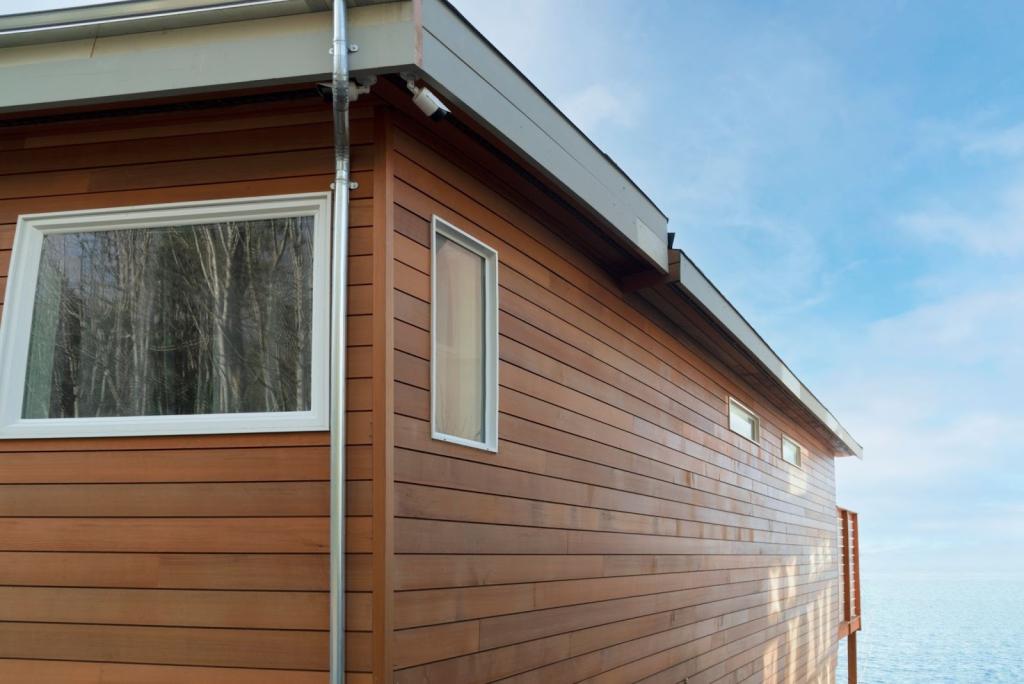
Siding performance changes in extreme temperatures because materials expand, contract, and respond to sunlight. Vinyl handles warm climates well but can shift slightly in strong heat, while fiber cement remains more stable during large temperature swings. Wood performs well in colder regions when properly sealed, but may require additional care in harsh conditions. Metal reflects sunlight and provides consistent strength to homes in many warm areas. Engineered wood remains stable in both heat and cold thanks to its reinforced structure. Many families compare these behaviors to find the best match for their region.
Moisture Resistance and Storm Durability
Moisture and storms can challenge siding materials, as water intrusion can weaken unprotected surfaces. Fiber cement and metal resist moisture effectively and offer strong support in coastal or humid zones. Vinyl works well with rain but must be installed correctly to avoid wind-related issues. Wood needs to be sealed and regularly maintained to prevent swelling or decay when exposed to heavy moisture. Engineered wood is treated to resist moisture more effectively than natural wood. Many homeowners review local weather patterns before choosing the right material.
Noise Control and Indoor Comfort
Noise control is important for homeowners living near traffic or busy neighborhoods. Fiber cement and wood create quieter interiors because of their dense structures, which effectively absorb sound. Vinyl reduces noise moderately, though insulated backing can improve performance. Metal siding can transmit external sound more easily unless paired with robust wall insulation—engineered wood balances sound reduction with durability due to its layered structure. Many families choose the material that best supports their comfort needs.
Siding Cost, Upkeep, and Long-Term Value
Long-term value depends on how siding balances cost, upkeep, and durability over many years. Homeowners often compare upfront pricing with expected maintenance plans to avoid surprise expenses. Some materials require regular painting, while others remain stable with light cleaning. Many families make better decisions when they view siding as a long-term investment.
Initial Cost and Routine Care Needs
Initial costs vary because material quality, labor, and finish options all influence the final price. Vinyl often offers the most approachable price, while fiber cement falls in the moderate range with strong durability. Wood can cost more due to its natural qualities and the need for regular finishing. Engineered wood stays in a comfortable mid-range and requires less maintenance than traditional wood. Metal pricing depends on panel thickness and coating type. Many homeowners compare these costs to match their budget and maintenance expectations.
Repair Needs and Convenience
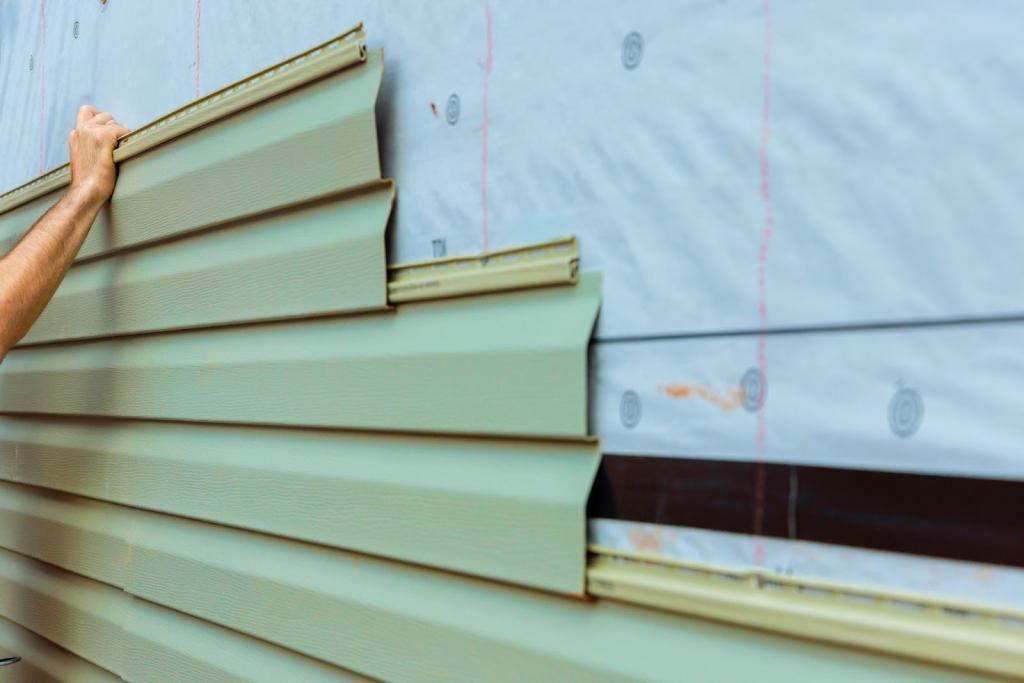
Repair needs affect long-term costs because each material responds differently to weather and impact. Vinyl may crack under heavy pressure, though replacement panels are easy to install. Fiber cement rarely sustains structural damage, but the finish may require occasional repainting. Wood requires more attention when moisture affects the surface or pests cause damage. Engineered wood holds shape well but may require minor caulking over time. Metal siding is generally low-maintenance, except when struck by hard objects. Many families prepare for these patterns when planning long-term maintenance.
Material Lifespan Differences
Material lifespan affects value because longer-lasting siding reduces replacement frequency. Fiber cement offers a long service life due to its strong composition and resistance to many hazards. Vinyl maintains a steady lifespan when installed correctly and cleaned regularly. Wood lasts for decades when properly maintained and finished. Engineered wood stays strong through many seasons thanks to its reinforced core. Metal siding remains durable for extended periods, especially when coated for corrosion resistance. Many homeowners weigh lifespan heavily when choosing their final option.
Impact on Resale Appeal
Siding influences resale appeal because buyers often form first impressions of a home’s exterior condition. Modern, well-maintained siding signals that the home has been cared for with attention. Fiber cement, wood, and metal attract buyers who value durability and design. Vinyl appeals to buyers who want a clean look with low upkeep needs. Engineered wood appeals to buyers who value a natural aesthetic and reliable performance. Many sellers see stronger offers when siding complements the home’s architecture.
Matching Siding With Home Design
Architectural style guides the choice of siding, as each home benefits from textures and colors that complement its structure. Traditional, transitional, and modern designs call for materials with matching character. When siding complements the home’s proportions, curb appeal naturally improves. A well-balanced design helps homeowners feel confident in their final selection.
Traditional Homes
Traditional homes often pair well with materials that offer texture and warm tones. Wood siding remains a classic choice because it reinforces the charm of older neighborhoods. Fiber cement replicates this look while requiring less maintenance and offering strong weather resistance. Engineered wood offers a similar feel while providing greater stability during seasonal changes. Vinyl also works for traditional homes due to its range of profiles and colors. Many homeowners choose these options to maintain a familiar, inviting appearance.
Modern Homes
Modern homes benefit from clean lines and simple textures that create visual clarity. Metal siding offers crisp panels that lend strong definition to modern layouts. Fiber cement panels also suit modern designs because they allow larger boards and minimal seams. Vinyl can support modern exteriors through smooth finishes and bold color options. Engineered wood adds warmth without breaking the clean look of modern structures. Many families choose these materials to achieve a balanced and contemporary exterior.
Refresh Your Exterior With Smart Siding Options
Smart siding choices help homeowners boost comfort, protect their investment, and strengthen curb appeal. Each option offers the opportunity to create a home that feels more stable and enjoyable every day. A siding upgrade also supports long-term value by reducing upkeep and improving overall performance. If your home needs new siding, this is a strong opportunity to explore materials that align with your goals and provide lasting confidence in your exterior.
Explore fresh insights and expert guidance on the LKB Home Improvements blog to plan your next home upgrade with confidence.