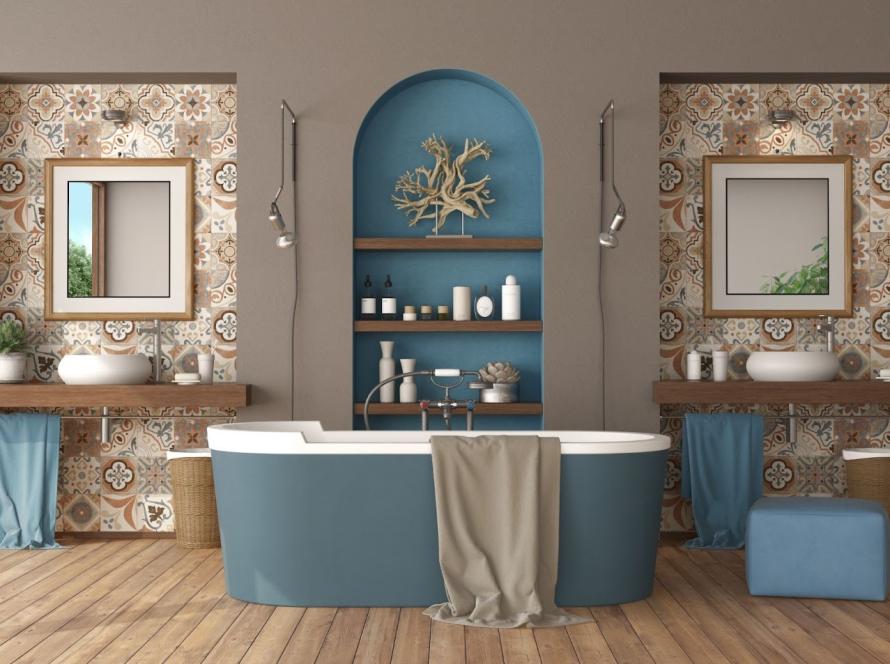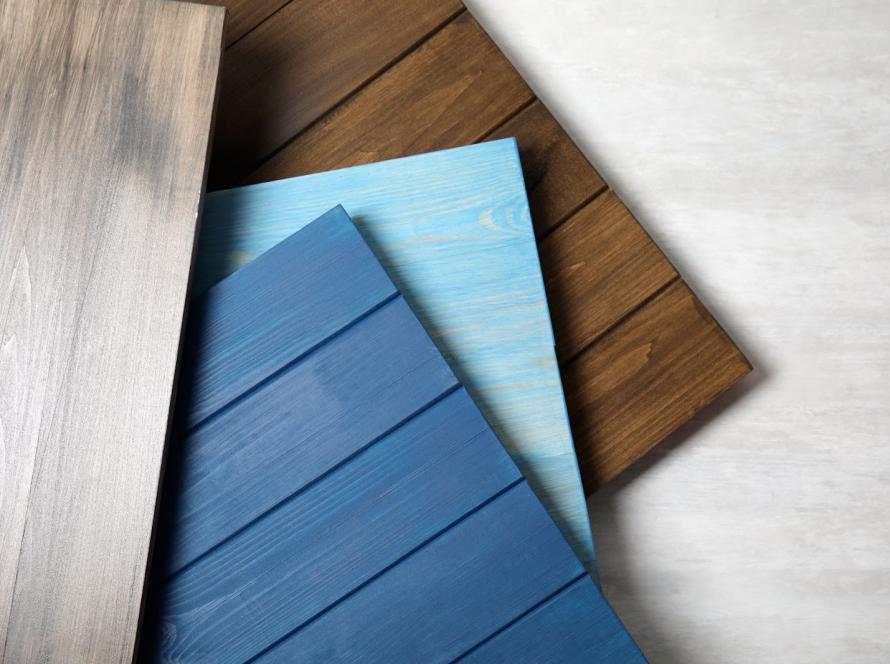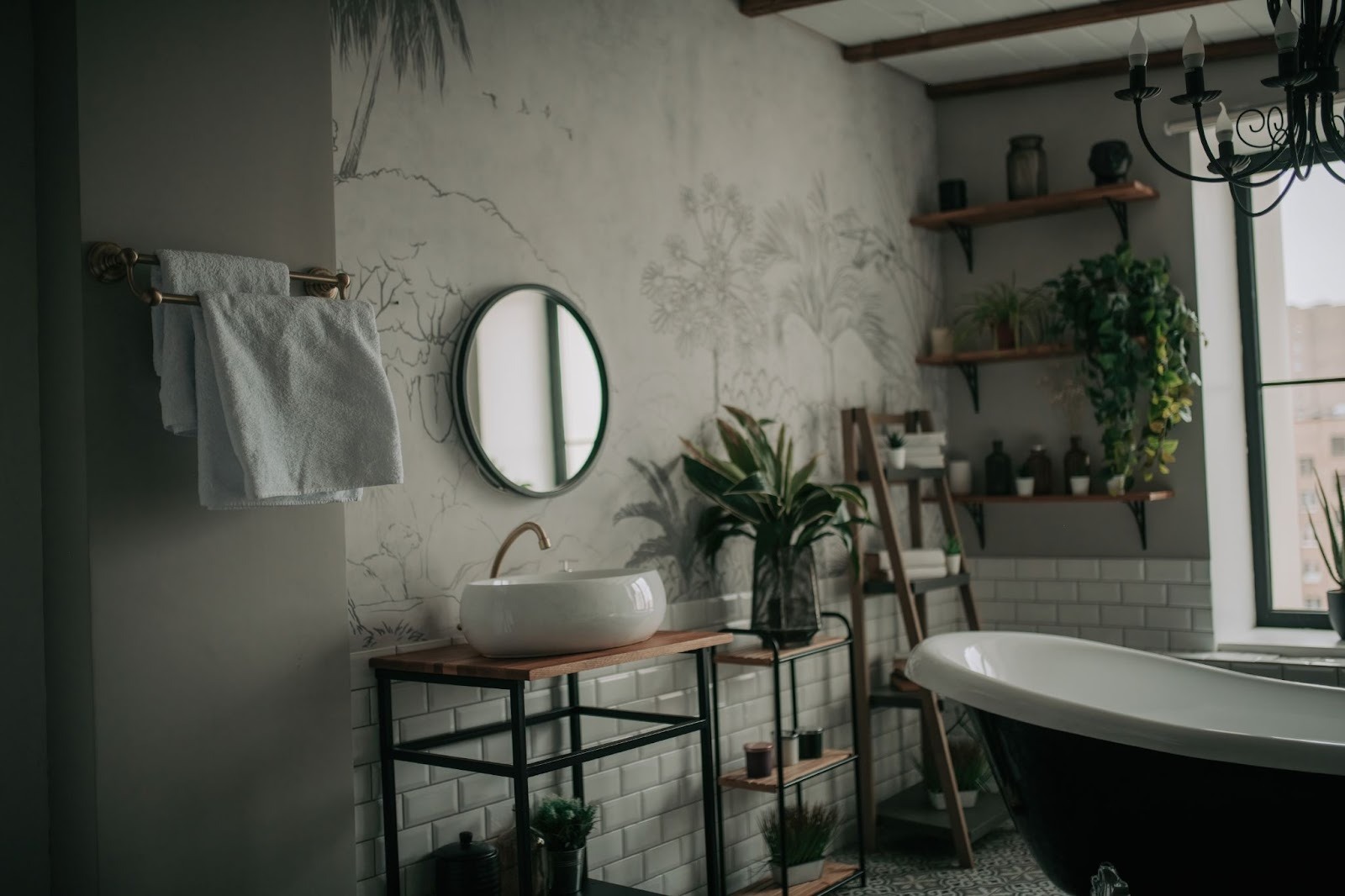
A bathroom remodel often feels overwhelming because costs seem unpredictable. Many homeowners postpone updates since they expect inflated contractor quotes and material prices. Yet an outdated bathroom affects comfort, storage, and even resale value every single day. Careful planning and smart material choices can reduce renovation expenses without lowering quality. A well-managed bathroom remodel brings comfort, function, and long-term value within reach.
What is Included in a Bathroom Remodel?
A bathroom remodel involves updating fixtures, finishes, layout elements, and essential systems to improve functionality and aesthetics. Homeowners often renovate bathrooms to address wear, outdated design, or storage limitations. This remodeling process can range from cosmetic upgrades to full structural changes. The scope depends on your budget, goals, and the space’s current condition.
Demolition and Site Preparation
Demolition involves removing old fixtures, tiles, flooring, and sometimes drywall. Contractors protect surrounding areas before tearing out materials. This preparation step prevents dust and debris from spreading through your home. Careful removal also avoids damage to plumbing and wiring that will remain. Homeowners should expect noise and temporary inaccessibility of the bathroom. Proper preparation sets the foundation for a smooth bathroom remodel.
Plumbing and Electrical Updates
Plumbing updates may include replacing pipes, valves, or outdated fixtures. Electricians often upgrade lighting, outlets, and ventilation systems. This system’s work ensures the bathroom meets current building codes. Older homes sometimes require additional wiring for modern lighting. Licensed professionals typically handle these tasks for safety reasons. Reliable infrastructure supports the long-term success of your bathroom remodel.
Installation of Fixtures and Finishes
Installation covers bathtubs, showers, toilets, vanities, and sinks. Contractors also lay tile, install flooring, and mount cabinetry. This finishing stage shapes the room’s overall appearance. Paint, trim, and hardware complete the design. Each installed component must align correctly for proper function. Quality installation determines how well your bathroom remodel performs over time.
Final Inspections and Finishing Touches
Final inspections confirm that plumbing and electrical work meet local codes. Contractors test fixtures to check for leaks or drainage issues. This review step ensures everything operates safely and efficiently. Homeowners then add mirrors, accessories, and décor elements. Small details like towel bars and lighting adjustments refine the space. A thorough completion process brings the bathroom remodel together with confidence.
Smart Strategies for an Affordable Bathroom Remodel
Cutting bathroom renovation costs requires strategy, not shortcuts. Homeowners who approach upgrades with a clear plan avoid wasteful spending and design regrets. This cost-focused mindset prioritizes durability, functionality, and visual impact equally. The following strategies explain how to reduce expenses while still achieving a polished and practical result.
Set a Practical Renovation Budget
A realistic renovation budget starts with defining a clear spending limit before work begins. Homeowners who outline numbers early reduce stress and prevent impulsive upgrades. This financial clarity keeps decisions aligned with long-term goals. Strong planning also protects your home investment from avoidable cost overruns.
Define Renovation Priorities First
Defining renovation priorities means identifying what truly needs improvement before spending begins. Focus first on functional problems such as leaks, poor lighting, or limited storage. Cosmetic updates can follow once the core issues are addressed. For example, replacing worn flooring may matter more than installing decorative shelving. This priority-based approach prevents overspending on features that add little daily value. Clear goals guide every purchase and keep your project efficient.
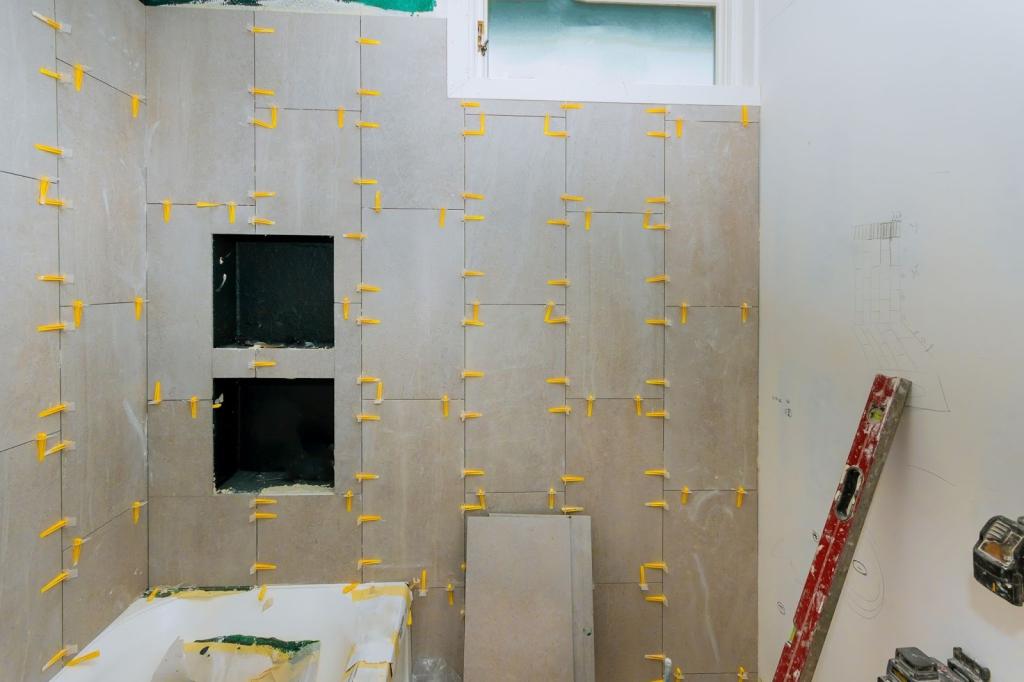
Create a Detailed Cost Breakdown
A detailed cost breakdown divides your project into materials, labor, permits, and contingency funds. This structure allows you to see where every dollar goes. Materials often account for a large share of total expenses. Labor costs increase when plumbing or wiring changes occur. Set aside ten to fifteen percent for unexpected repairs behind walls. This budget structure supports better decisions and reduces financial surprises.
Prepare for Hidden Remodeling Costs
Hidden remodeling costs refer to unexpected repairs discovered during demolition. Water damage, mold, or outdated pipes often surface when walls are opened. Older homes in areas like Dallas or Phoenix may require plumbing upgrades to meet local codes. Permit fees also vary by municipality and should be factored into planning. This proactive budgeting step prevents sudden financial strain. Anticipating these expenses keeps your renovation on track and under control.
Keep the Layout to Cut Expenses
Keeping the existing layout reduces plumbing and electrical expenses immediately. Moving toilets or showers requires rerouting pipes beneath floors or inside walls. This structural change increases labor hours and inspection requirements. Preserving the footprint allows you to invest more in finishes and comfort upgrades.
Avoid Moving Plumbing Lines
Avoiding plumbing relocation keeps your project simpler and less expensive. Drain lines require precise slopes to function correctly. Changing their position often involves cutting concrete or subflooring. This structural work increases both time and labor costs. Retaining fixture locations allows you to upgrade style without complex construction. Stable plumbing placement supports a cost-conscious renovation.
Work With Existing Electrical Points
Working with current wiring reduces electrician fees and inspection delays. Relocating outlets demands code-compliant installations and added materials. Instead, update light fixtures that connect to existing boxes. Modern LED fixtures provide brighter illumination while using less energy. This lighting upgrade improves comfort without structural changes. Smart electrical planning keeps renovation costs manageable.
Improve Flow Without Structural Changes
Improving flow means selecting fixtures that maximize usable space without demolition. A floating vanity opens up a visible floor area and enhances access to storage. Sliding shower doors require less clearance than hinged models. Compact toilets also free up valuable square footage. This space-saving strategy improves flow in smaller bathrooms. Functional adjustments like these maintain affordability while enhancing comfort.
Refresh Fixtures Instead of Replacing
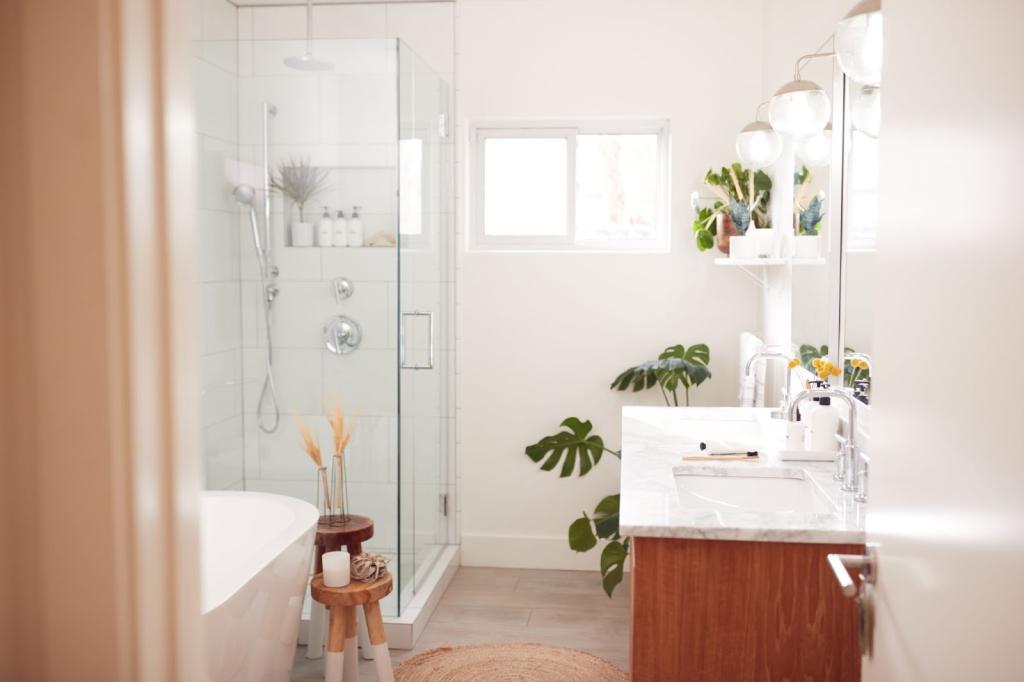
Refreshing fixtures costs far less than installing brand-new units. Many tubs, sinks, and cabinets only need cosmetic improvements. This upgrade strategy modernizes the space without altering plumbing connections. Thoughtful refinishing can extend a fixture’s lifespan by several years.
Refinish Tubs and Sinks for Savings
Refinishing restores surface shine without removing existing fixtures. Professionals repair chips and apply durable coatings that resist moisture. This resurfacing process costs substantially less than replacement. Homeowners often save thousands compared to installing new bathtubs. Similarly, sink refinishing updates the appearance while preserving plumbing connections. This targeted improvement supports a budget-friendly upgrade.
Paint or Reface Bathroom Cabinets
Painting cabinets offers a cost-effective alternative to full replacement. Solid wood cabinets usually require only cosmetic updates. Neutral paint tones brighten the room and attract future buyers. New handles and knobs add a refined finishing touch. Refacing doors provides an updated look while keeping cabinet boxes intact. This cabinet strategy improves style without heavy expense.
Upgrade Faucets and Showerheads
Upgrading faucets immediately improves both design and water efficiency. Modern fixtures reduce water usage while maintaining strong pressure. Installation remains simple if connections stay unchanged. Coordinated finishes create a cohesive aesthetic across the room. This hardware improvement requires minimal labor compared to larger installations. Small updates like these reshape your space economically.
Choose Cost-Effective Materials Wisely
Cost-effective materials deliver durability and style without premium pricing. Many modern products convincingly replicate upscale finishes. This material selection approach balances visual appeal with long-term performance. Smart comparisons help homeowners stretch renovation budgets further.
Select Affordable Tile Alternatives
Affordable tile options include ceramic and porcelain varieties that mimic stone. These materials resist moisture and clean easily. Large-format tiles reduce grout lines and maintenance effort. This design choice also creates a sleek, modern look. Neutral tones support resale value and design flexibility. Practical tile decisions strengthen your renovation investment.
Install Durable Budget Flooring
Luxury vinyl flooring offers water resistance and simple installation. Laminate options now realistically replicate wood and stone textures. These flooring types cost less than hardwood or marble. Maintenance requires only routine sweeping and mopping. This durable surface effectively withstands daily exposure to moisture. Budget flooring selections maintain both style and savings.
Shop Smart for Vanities and Tops
Prefabricated vanities substantially reduce the cost of custom carpentry. Many national retailers provide quality options with warranties. Quartz remnants offer durable countertop surfaces at lower prices. This purchasing strategy helps homeowners secure premium materials at an affordable price. Seasonal sales and contractor discounts also reduce costs. Strategic sourcing improves renovation results without inflating budgets.
Balance DIY Work and Skilled Help
Balancing DIY tasks with professional remodeling services safely reduces labor costs. Simple cosmetic updates often suit homeowner skill levels. This practical division of work prevents costly mistakes. Skilled contractors should handle complex systems like plumbing and wiring.
Complete Simple Cosmetic Tasks
Painting walls provides one of the easiest cost-saving opportunities. Proper preparation leads to professional-looking results. Installing mirrors and towel bars requires basic tools. This hands-on effort lowers overall contractor fees. Replacing cabinet hardware also takes minimal experience. Homeowner participation makes the upgrade more affordable.
Hire Licensed Pros for Key Systems
Licensed plumbers and electricians follow local building codes precisely. This professional oversight protects your home from leaks or hazards. Faulty installations can lead to water damage or fire risk. Contractors also carry insurance that safeguards your property. This expert involvement prevents expensive corrections later. Professional support strengthens long-term renovation value.
Upgrade Lighting and Ventilation Wisely
Lighting and ventilation upgrades improve comfort and protect surfaces from moisture damage. Poor airflow often leads to mold growth and peeling paint. This environmental control keeps your space healthier and longer-lasting. Smart upgrades in these areas rarely require extensive construction.
Install Energy-Efficient Lighting Fixtures
Energy-efficient lighting reduces utility bills while improving brightness. LED fixtures last longer than traditional bulbs. Wall-mounted sconces provide balanced illumination around mirrors. This lighting improvement enhances grooming tasks and daily routines. Coordinated finishes tie into other hardware selections. Effective lighting upgrades increase both function and appeal.
Improve Ventilation to Prevent Damage
Improved ventilation removes excess humidity after showers. Exhaust fans with adequate airflow ratings prevent mold buildup. This moisture control protects cabinets, paint, and drywall. Upgrading to quieter models improves daily comfort. Installation remains straightforward when wiring is already in place. Reliable airflow protects your renovation investment.
Design a Cost-Smart Bathroom Remodel
A cost-smart bathroom remodel starts with clear priorities and disciplined spending. Focus on improvements that solve daily frustrations before investing in decorative upgrades. Choose durable materials that balance price with long-term performance. Approach each decision with purpose, and shape a bathroom remodel that delivers comfort, efficiency, and lasting value without overspending.
Explore more practical renovation insights on the LKB Home Improvements blog and plan your next bathroom remodel with clarity and confidence.