Your home’s exterior works harder than most people realize. It shields your family from wind, rain, heat, and debris every single day. At the same time, it shapes curb appeal and influences property value. Today’s home siding options offer more performance and design flexibility than ever before. Choosing the right exterior cladding now can protect your investment for decades.
Modern Home Siding Trends for 2026
Home siding options in 2026 focus on durability, efficiency, and long-term value. Manufacturers design products that handle extreme weather while maintaining consistent color and texture. Building codes in many states now require better insulation and fire resistance. As a result, homeowners must weigh performance standards alongside style and cost.
What Homeowners Expect From Siding Materials
Homeowners expect siding materials to resist moisture, pests, and structural wear. They also want finishes that complement both traditional and contemporary architecture. Energy performance matters more now because heating and cooling costs continue to rise nationwide. According to data from the U.S. Department of Energy, improved exterior insulation can lower household energy use by reducing thermal transfer. This insulation benefit means siding choices directly affect monthly utility expenses. Buyers often ask about durability ratings and warranty coverage before making purchase decisions.
Climate Impact on Siding Selection
Climate conditions directly shape which siding materials perform best. Coastal homes need corrosion resistance due to salt exposure and high winds. Northern properties require products that withstand freeze-thaw cycles without cracking. Southern regions demand UV resistance to prevent fading and surface breakdown. This regional factor should guide material selection before style preferences. Contractors often evaluate wind load ratings and moisture resistance before recommending a product.
Best Exterior Siding Choices for 2026
Selecting exterior cladding in 2026 requires more than comparing colors and prices. Material performance, climate compatibility, and long-term return now shape every smart decision. Homeowners must balance durability, maintenance demands, and design consistency before committing to a product. The following siding materials lead the market this year.
Vinyl Siding Options and Benefits
Vinyl siding remains one of the most widely installed exterior materials in North America. Modern vinyl products feature thicker panels and improved impact resistance. Manufacturers now offer deeper color palettes and realistic wood-grain textures. This material provides affordability while delivering reliable weather protection.
Advanced Vinyl Technology in 2026
In 2026, vinyl siding uses enhanced resin formulations for greater flexibility. These updated formulations reduce cracking during temperature swings. UV inhibitors help maintain consistent color under prolonged sun exposure. This durability improvement extends the product’s lifespan beyond earlier generations. Insulated vinyl panels also improve thermal performance by adding a foam backing. Homeowners seeking cost-effective exterior upgrades often find vinyl a practical solution.
Ideal Homes for Vinyl Installation
Vinyl siding suits suburban homes, rental properties, and budget-focused renovations. It installs efficiently, reducing labor costs. Maintenance typically involves periodic washing with mild soap and water. This low-maintenance feature appeals to busy homeowners who prefer minimal upkeep. However, regions prone to heavy hail may require thicker premium panels. Contractors can recommend impact-rated options for better protection.
Fiber Cement Siding for Durability
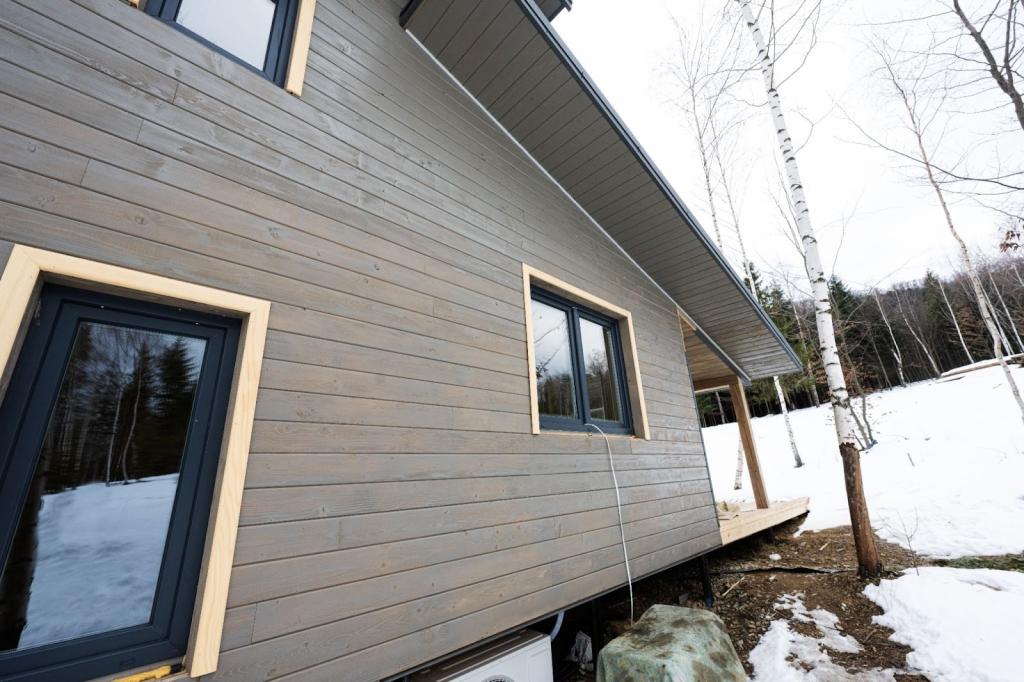
Fiber cement siding combines cement, sand, and cellulose fibers to create a dense, resilient product. This composition produces strong resistance to fire, insects, and moisture. Builders frequently recommend fiber cement for long-term structural stability. The material offers a solid appearance that closely resembles painted wood boards.
Weather Resistance and Fire Protection
Fiber cement siding withstands harsh climates with minimal expansion or warping. It does not rot when exposed to prolonged humidity. This fire-resistant quality makes it appealing in wildfire-prone regions such as parts of California and Colorado. Insurance providers often recognize non-combustible siding materials as lower risk. Additionally, fiber cement is more resistant to wind and impact than many lightweight alternatives. Proper installation remains essential to maximize performance.
Design Flexibility and Curb Appeal
Fiber cement comes in lap boards, shingles, and vertical panels. These style options allow homeowners to match craftsman, colonial, or modern designs. The surface holds paint well, reducing the need for repainting. This finish stability lowers long-term maintenance costs. Textured variations replicate the look of natural wood without its vulnerabilities. Many real estate professionals view fiber cement as a premium exterior upgrade.
Engineered Wood Siding Alternatives
Engineered wood siding blends treated wood fibers with binding resins for added strength. This manufacturing process improves resistance to moisture and fungal decay. Homeowners who appreciate natural aesthetics often consider this balanced option—the material bridges traditional charm and modern performance standards.
Structural Strength and Moisture Control
Engineered wood panels undergo treatment to resist swelling and rot. The bonded structure reduces splitting compared to untreated lumber. This structural stability supports long-term exterior performance. Many brands offer warranties covering fungal resistance and substrate integrity. Proper sealing around joints and trim remains important for the best results. When properly maintained, engineered wood performs well across diverse climates.
Visual Appeal and Custom Finishes
Engineered wood siding replicates authentic grain patterns with convincing detail. It evenly accepts paint, helping maintain color consistency. This customization flexibility supports personalized exterior design. Trim pieces and architectural accents coordinate smoothly with panel profiles. The result feels warm without requiring constant sanding or staining. Homeowners seeking a refined but approachable look often choose this option.
Natural Wood Siding for Classic Appeal
Natural wood siding uses solid timber boards for a timeless exterior finish. This material offers unmatched texture and warmth compared to synthetic alternatives. Historic homes and high-end custom builds often feature real wood cladding. However, wood requires consistent maintenance to preserve its beauty.
Wood Species and Finish Options
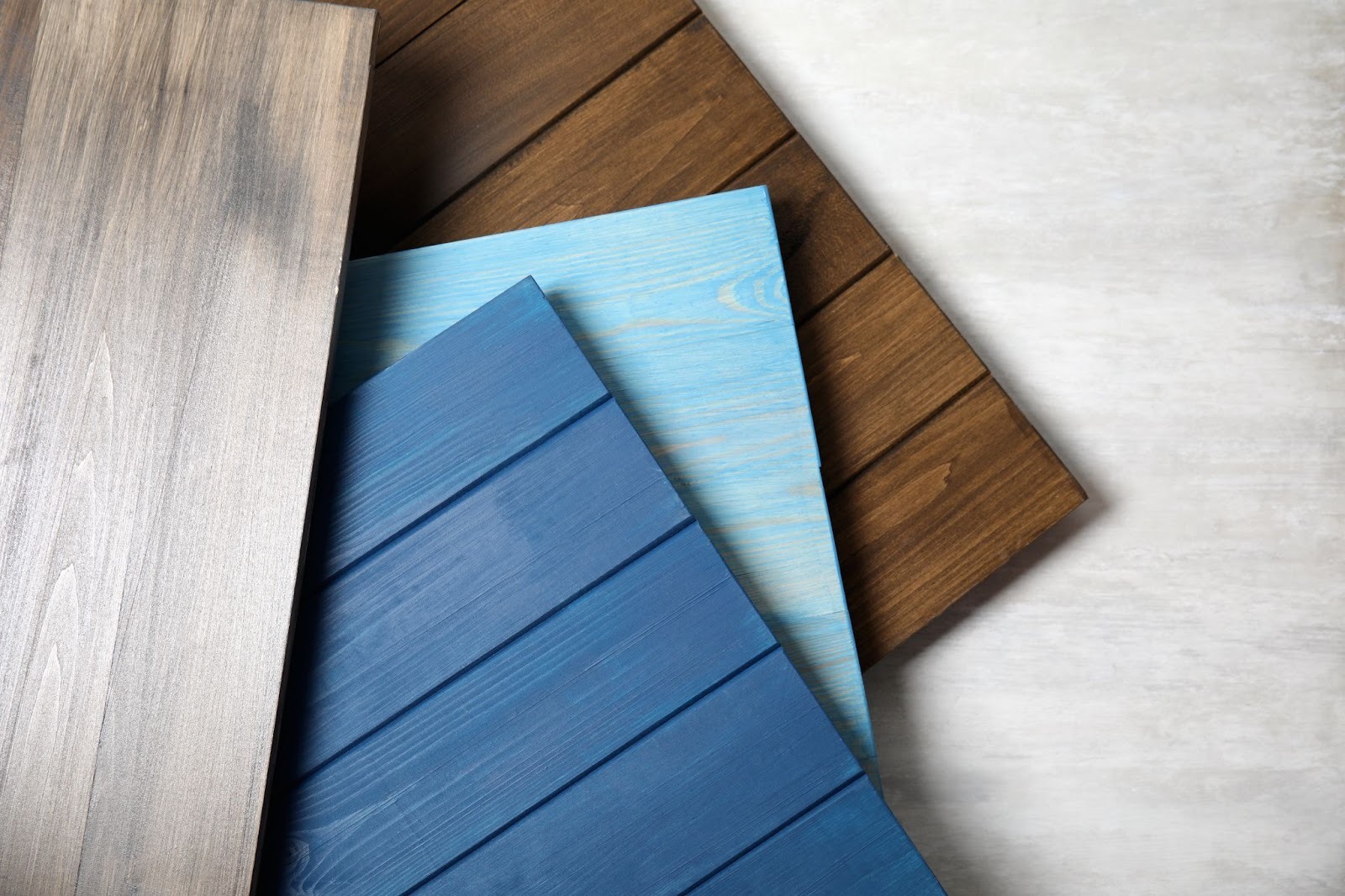
Cedar stands out for natural insect resistance and dimensional stability. Redwood provides rich tones and moderate durability. Pine offers affordability when properly treated and sealed. This wood selection influences maintenance schedules and overall cost. Homeowners may choose stains to highlight grain or paint for a uniform finish. Regular resealing protects against moisture infiltration and sun damage.
Maintenance Demands and Lifespan
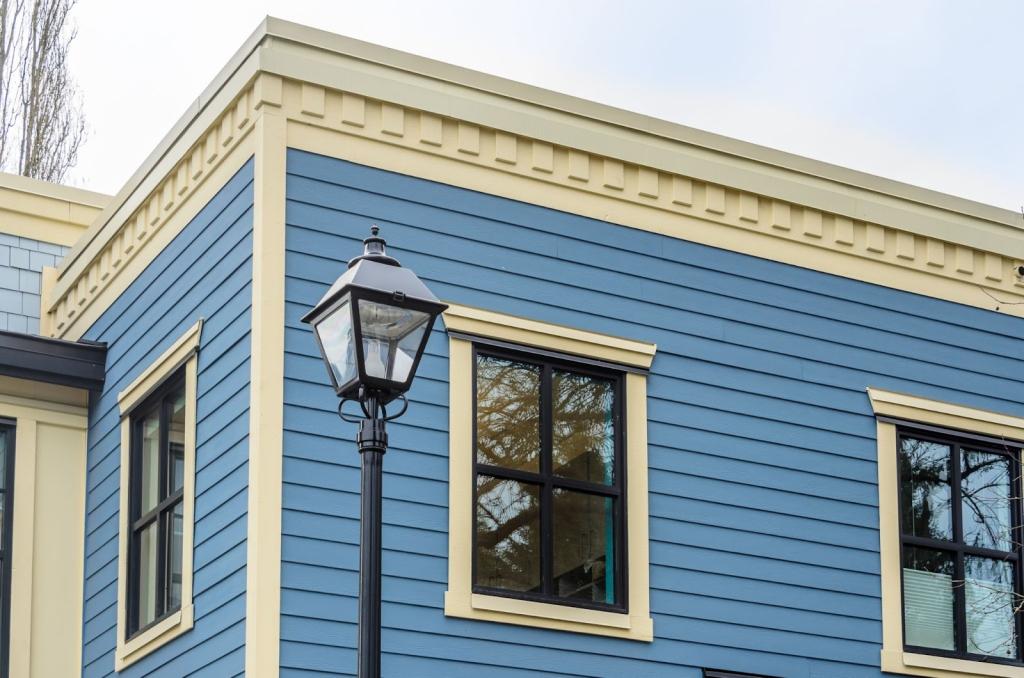
Wood siding requires periodic inspection to prevent rot and warping. Moisture intrusion can lead to structural damage if left untreated. This maintenance responsibility increases long-term ownership costs compared to vinyl or fiber-cement siding. Homeowners must budget for repainting or staining every few years. With attentive care, wood siding can last decades. Neglect, however, considerably shortens lifespan.
Metal Siding for Modern Homes
Metal siding uses aluminum or steel panels to create sleek, durable exteriors. This material is fire-, insect-, and weather-resistant. Contemporary architects often specify metal for clean lines and bold finishes. The surface reflects light differently from traditional materials, creating a distinctive look.
Aluminum vs. Steel Performance
Aluminum resists corrosion and suits coastal climates well. Steel provides greater strength and impact resistance. This strength advantage makes steel attractive in storm-prone regions. Both metals now feature protective coatings to reduce fading and rust. Insulated panel systems can improve energy efficiency. Professional installation remains critical to prevent moisture intrusion at seams.
Energy Efficiency and Longevity
Reflective coatings on metal siding reduce solar heat absorption. This thermal property can lower cooling demands in hot climates. Metal panels also integrate well with continuous insulation systems. These combined features support year-round indoor comfort. Metal siding often lasts several decades with minimal maintenance. Occasional inspections help maintain fasteners and protective finishes.
Brick and Stone Veneer Exteriors
Brick and stone veneer provide the appearance of solid masonry without structural weight. Installers attach veneer systems to framed walls using specialized anchors. This installation method reduces costs compared to full-brick construction. The finished look conveys durability and refined character.
Manufactured vs. Natural Stone Veneer
Manufactured stone uses molded concrete to mimic natural rock textures. It costs less and weighs less than quarried stone. This weight reduction simplifies installation and structural requirements. Natural stone offers unmatched variation and authenticity. However, natural stone requires a higher investment in materials and labor. Both options deliver strong curb appeal when installed correctly.
Long-Term Value and Maintenance
Brick and stone veneer resist fire and insect damage. Mortar joints may require occasional repointing over time. This maintenance task involves replacing deteriorated mortar to preserve structural stability. Cleaning typically requires mild washing rather than aggressive chemicals. Real estate professionals often associate masonry finishes with higher-end properties. Consequently, veneer installations can support competitive resale value.
Eco-Friendly and Energy-Efficient Siding
Sustainable home siding options reduce environmental impact while maintaining performance. Manufacturers now incorporate recycled content into composite and vinyl products. Energy-efficient siding systems also improve thermal insulation. This environmental focus aligns with growing homeowner awareness of long-term operating costs.
Recycled Composite Siding Materials
Composite siding often blends recycled wood fibers and plastics. This material reduces landfill waste while maintaining structural strength. Manufacturers engineer these products to resist moisture and insects. Many lines offer extended warranties similar to those for fiber cement—the surface textures convincingly mimic wood grain. Homeowners seeking sustainable upgrades often consider composite siding a practical choice.
Insulated Siding Systems and Savings
Insulated siding adds rigid foam backing behind exterior panels. This added layer reduces heat transfer through wall assemblies. According to energy-efficiency research, improved wall insulation reduces heating and cooling demands. This performance benefit can offset higher upfront costs over time. Homeowners in colder climates often notice improved indoor comfort. Energy-efficient exteriors also appeal to environmentally conscious buyers.
Enhance Your Property With Smarter Siding Options
Your home’s exterior should work as hard as you do to protect your investment. Thoughtful home siding options reduce maintenance stress while improving comfort and efficiency. When you align material choice with climate demands and long-term goals, you strengthen both structure and resale appeal. Connect with a qualified siding professional, carefully review your priorities, and position your property for lasting performance.
Still comparing home siding options? Explore the LKB Home Improvements blog for detailed advice that helps you plan with clarity and confidence.