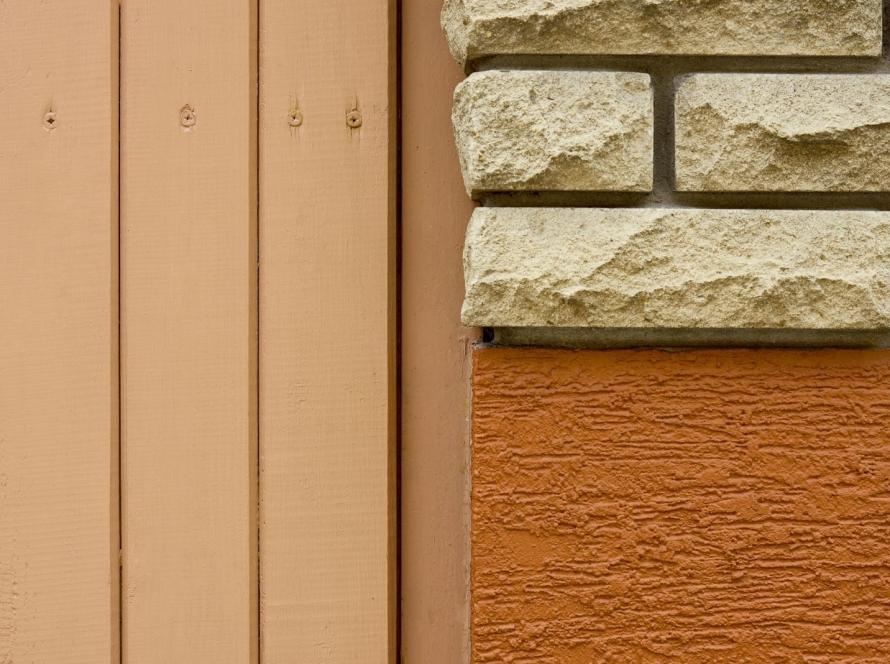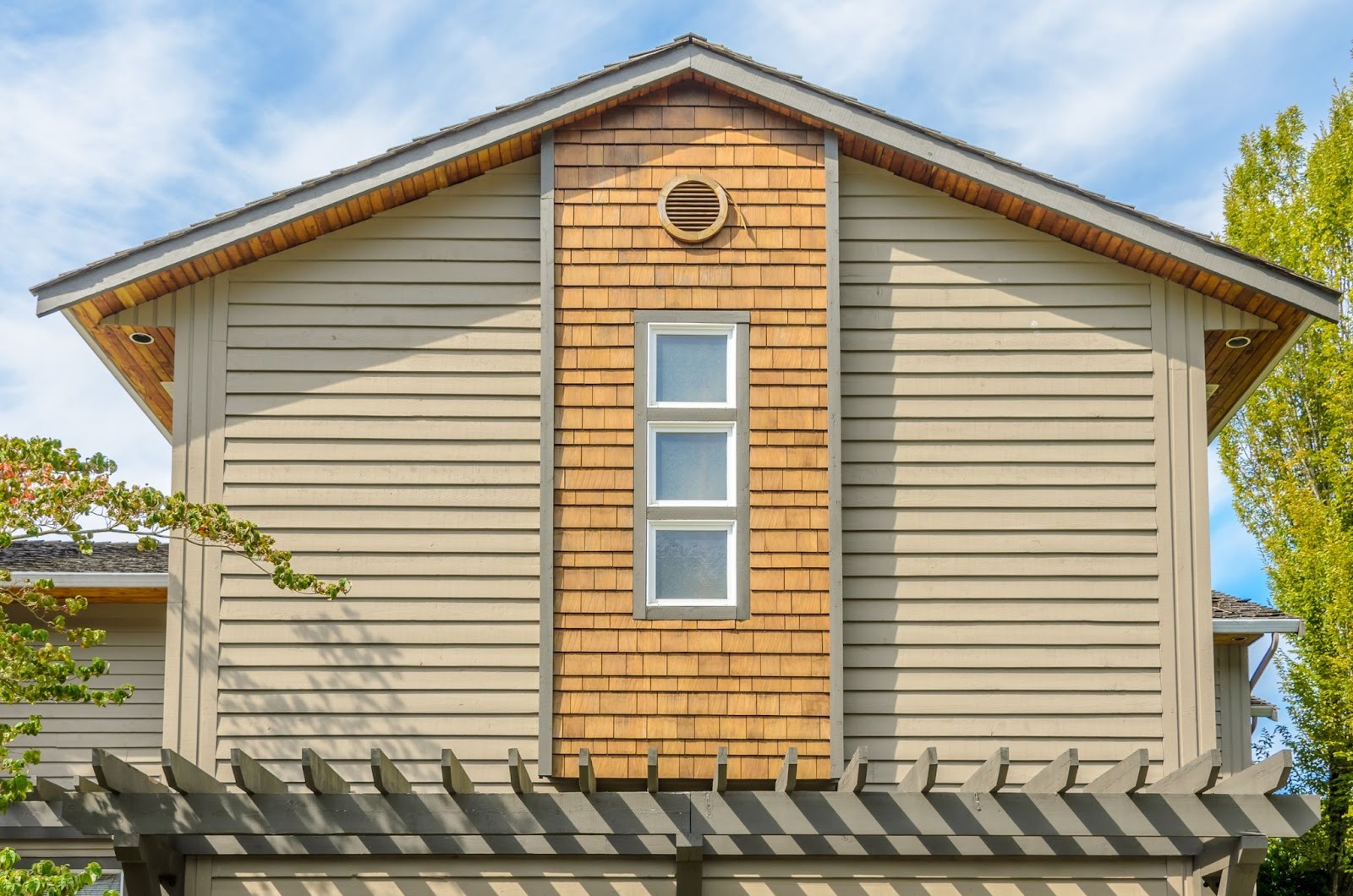
The exterior of a home creates an immediate impression that shapes how the entire property is perceived. When siding appears worn, outdated, or mismatched, even a well-maintained home can feel neglected. Thoughtful home siding ideas allow homeowners to refresh the appearance while strengthening durability and comfort. These exterior choices influence daily satisfaction, neighborhood perception, and resale confidence. A carefully planned siding update helps the home present itself as intentional, cared for, and visually consistent.
Why Home Siding Ideas Shape Exterior Appeal
Home siding defines a house’s look, protection, and longevity in a single system. This exterior layer frames architectural details while shielding the structure from weather exposure. When siding feels disconnected from the home’s design, visual balance suffers. Well-considered siding choices restore cohesion and reinforce the home’s overall character.
How Siding Affects Curb Appeal Instantly
Home siding covers most of the exterior surface, which makes it the first feature people notice. Because of this visibility, color consistency and material quality strongly influence curb appeal. Clean finishes help architectural lines stand out rather than compete for attention. When panels align properly and textures remain consistent, the home feels orderly and maintained. In contrast, mismatched materials can draw attention away from design strengths. These visual signals shape how visitors and buyers respond before entering the home.
Exterior Siding as a Style Statement
Exterior siding communicates homeowner preferences in a way few other upgrades can. Traditional profiles often suggest comfort and familiarity, while modern materials indicate a cleaner aesthetic. Texture choices also influence perception by adding warmth or sharpness to the structure. Each selection reflects priorities related to maintenance, durability, and design. When these elements align, the exterior feels intentional rather than pieced together. This alignment builds visual confidence across the entire property.
Neighborhood Consistency and Visual Flow
Homes contribute to a shared streetscape rather than standing alone. When siding choices complement nearby properties, the neighborhood feels cohesive and well planned. This visual harmony improves overall appeal without limiting individuality. Buyers often notice when homes fit naturally within their surroundings. Siding that respects scale and color patterns supports that continuity. These decisions help a property feel connected rather than isolated.
Popular Home Siding Ideas for Modern Homes
Modern homeowners expect siding materials to balance appearance with performance. Durability, efficiency, and low maintenance now guide exterior decisions more than trend alone. This shift has influenced which siding options remain popular. Several materials continue to meet these evolving expectations.
Vinyl Siding for Practical Homeowners
Vinyl siding remains widely used because it balances cost and reliability. This material offers a broad color range that resists fading. Regular cleaning keeps surfaces looking fresh without specialized care. Many vinyl styles replicate wood textures convincingly. Installation costs often remain predictable across projects. These qualities make vinyl suitable for many home types.
Fiber Cement Siding for Balanced Performance
Fiber cement siding combines strength with a refined appearance. This composite material effectively resists moisture, pests, and fire exposure. Paint adheres well and maintains color longer than many alternatives. Homeowners appreciate the solid feel it provides. Fiber cement works across architectural styles without appearing out of place. These characteristics make it reliable in varied climates.
Engineered Wood for Natural Appeal
Engineered wood siding delivers warmth while reducing common wood issues. Protective treatments help prevent warping and moisture damage. The finished look remains consistent over time. Many homeowners choose this option for its authentic appearance. Craftsman and cottage homes benefit from this texture. Maintenance requirements stay manageable for most households.
Metal Siding for Contemporary Design
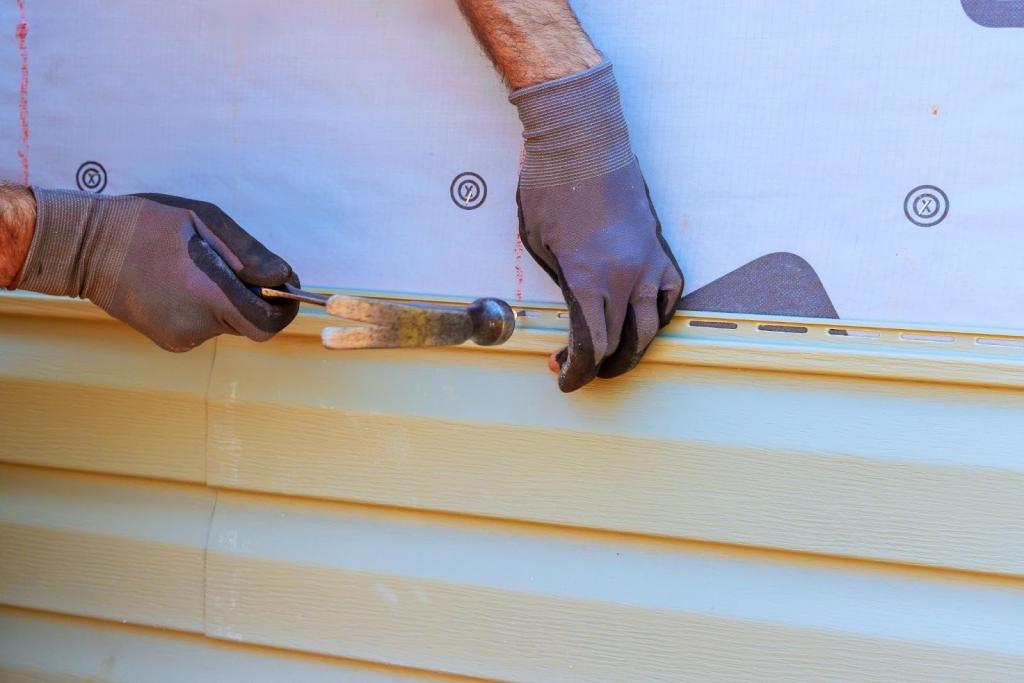
Metal siding supports clean lines and modern structure. Aluminum and steel resist rot and insect damage. Smooth panels complement minimalist architecture effectively. Reflective finishes help manage exterior heat. Maintenance needs remain low across seasons. This option suits homeowners seeking durability with simplicity.
Matching Siding Styles With Home Architecture
A home’s architecture provides a framework for siding decisions. When materials ignore structural design, visual imbalance often follows. Proper alignment strengthens cohesion and proportion. Siding performs best when it reinforces architectural intent.
Traditional Homes and Classic Siding
Traditional homes benefit from familiar siding profiles. Horizontal lap siding supports symmetry and balance. Neutral colors maintain timeless appeal. Textured finishes add depth without distraction. Modern materials may disrupt visual consistency. Thoughtful choices preserve character.
Contemporary Homes and Minimalist Siding
Modern homes rely on clarity and contrast. Vertical panels emphasize height and structure. Flat finishes reduce unnecessary detail. Controlled color choices add interest without clutter. Trim remains precise and straightforward. Siding enhances architectural form.
Farmhouse and Transitional Exteriors
Farmhouse styles balance rustic and refined elements. Board-and-batten siding supports this combination effectively. Muted hues create a welcoming appearance. Texture variation adds a subtle dimension. Clean lines maintain order. This balance avoids visual confusion.
Color and Texture in Home Siding Ideas
Color and texture influence satisfaction long after installation. Trends change faster than materials wear out. Careful planning reduces regret. These elements deserve careful consideration.
Choosing Exterior Colors That Last
Neutral shades maintain appeal across years. Earth tones blend naturally with surroundings. Dark colors provide depth but absorb heat. Light colors reflect sunlight more efficiently. Climate affects color performance. Sample testing confirms choices.
Using Texture to Add Visual Depth
Texture introduces dimension without heavy ornamentation. Wood-grain finishes feel familiar and inviting. Smooth panels convey a modern appearance. Selective mixing adds interest. Entry areas benefit from contrast. Excess texture overwhelms the facade.
Coordinating Siding With Trim Elements
Trim defines siding edges clearly. High contrast highlights architectural features. Low contrast creates softness. Window surrounds deserve careful attention. Gutters and fascia should align visually. Coordination completes the exterior.
Functional Benefits Beyond Exterior Style
Siding protects the home while shaping comfort. This exterior layer guards against environmental stress. Material quality affects indoor conditions. Performance often outweighs appearance over time.
Weather Resistance and Moisture Control
Quality siding blocks wind-driven rain effectively. Proper installation prevents water intrusion. Moisture resistance limits mold risk. Durable materials handle temperature shifts. Protection extends the lifespan of the framing, making homes feel more secure.
Energy Efficiency and Insulation Support
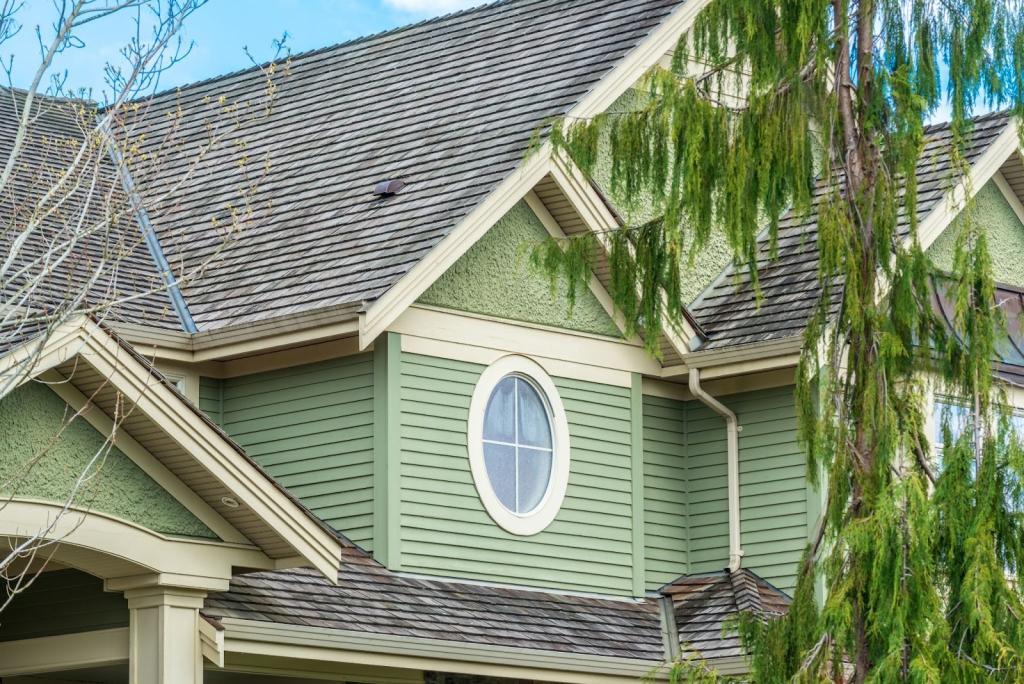
Insulated siding improves thermal stability. Reduced air leakage stabilizes temperatures. Heating and cooling systems work less. Energy costs often decline gradually. Comfort improves throughout the seasons. Siding affects daily living.
Sound Reduction for Indoor Comfort
Dense siding reduces exterior noise intrusion. Traffic sounds become less noticeable. This benefit surprises many homeowners. Fiber cement and insulated vinyl perform well. Quieter interiors improve comfort. Siding contributes silently.
Budget Planning for Smarter Siding Decisions
Cost planning determines project success. The initial price rarely reflects the total value—maintenance and lifespan shape expenses. Strategic planning avoids corrections.
Understanding Installation Cost Factors
Material prices vary widely. Labor affects final totals. Complex designs increase time. Simple profiles reduce expense. Preparation adds cost. Accurate estimates prevent issues.
Long-Term Maintenance Considerations
Lower-cost materials need frequent repairs. Paint cycles add recurring expense. Durable siding reduces intervention—time investment matters. Maintenance affects resale. Long-term thinking supports value.
Property Value and Exterior Updates
Buyers notice the siding condition quickly. Updated exteriors suggest care. Neutral designs appeal broadly. Poor siding raises concerns. Investment quality influences offers. Exterior updates build confidence.
Future-Proofing Home Siding Decisions
Future-proofing home siding means selecting materials and designs that remain practical and appealing as needs change. Many homeowners focus on immediate appearance without considering how siding performs over decades. This oversight often leads to early replacement or dissatisfaction. Planning for adaptability helps avoid unnecessary upgrades and long-term regret.
How Lifestyle Changes Affect Siding Satisfaction
Homeowners’ needs rarely remain static over time. Growing families, aging residents, or remote work can change how a home is used. Exterior maintenance demands may become burdensome later. Materials that require frequent upkeep often lose appeal as schedules shift. Durable, low-maintenance siding adapts better to lifestyle changes. These considerations protect satisfaction beyond the initial installation phase.
Resale Flexibility and Buyer Psychology
Future buyers evaluate siding differently than current owners do. Personal taste choices may limit broader appeal. Neutral, adaptable siding designs attract a wider audience. Buyers often associate simple exteriors with easier ownership. Overly specific styles can create hesitation. Flexible siding choices help preserve resale confidence.
Climate Shifts and Material Performance
Weather patterns continue to shift across many regions. Materials that performed well historically may face new stress. Increased moisture, heat, or storms test exterior systems differently. Siding that tolerates varied conditions reduces the risk of replacement. Climate-aware choices protect structural integrity. This foresight supports long-term durability.
Technology and Manufacturing Improvements
Siding technology continues to evolve steadily. New coatings improve color retention and resistance. Improved fastening systems reduce movement and warping. Materials now combine strength with lighter weight. Choosing adaptable products extends relevance. These advancements reward homeowners who plan.
Refine Your Home Siding Ideas for Long-Term Value
Home siding choices influence far more than appearance; they shape maintenance requirements, comfort, and future flexibility. Decisions made with durability and adaptability in mind reduce the likelihood of premature repairs or replacements. Well-considered home siding ideas benefit from guidance provided by experiencedhome renovation contractors who understand long-term performance. A deliberate approach now helps the exterior continue working in your favor long after installation is complete.
Stay informed on siding strategies that help homes age better. Read the latest exterior planning articles on the LKB Home Improvements blog.