

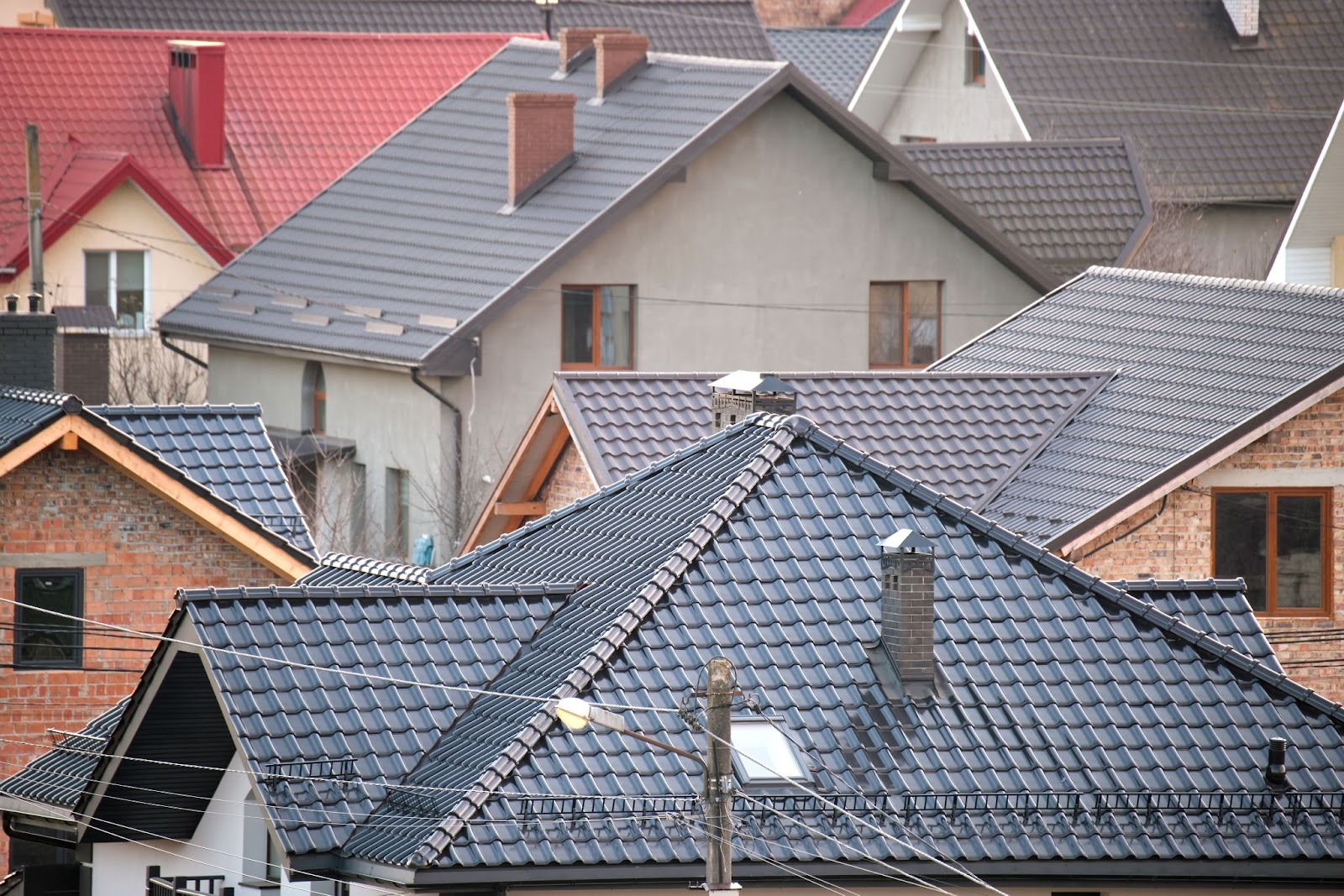
Your roof protects your family, finances, and peace of mind every day. Most homeowners only research roof types when damage forces a decision. That urgency often leads to confusion about materials, costs, and long-term performance. Different roofing systems respond differently to heat, wind, moisture, and time. Understanding your roofing options before installation or replacement helps you make a confident, informed choice that protects your home for decades.
Roof Types and Home Protection Basics
Roof types refer to the materials and structural designs that cover and protect your home. Each option offers a different balance of durability, cost, and appearance. The right choice depends on climate, budget, and structural capacity. A clear understanding of roofing categories prevents costly mistakes during installation or replacement.
How Roofing Materials Affect Performance
Roofing materials determine how well your home withstands the weather and the effects of aging. Asphalt, metal, tile, wood, and slate each react differently to temperature changes and moisture exposure. For example, metal panels expand and contract with heat, while asphalt shingles may become brittle over time. These material differences affect repair frequency and lifespan. Homeowners in coastal areas often prioritize corrosion resistance. Similarly, regions with heavy snowfall require materials that shed snow efficiently.
Why Roof Design Impacts Longevity
Roof design describes the shape and slope of your roofing structure. Steeper slopes move water away quickly and reduce the risk of leaks. Low-slope roofs require specialized membranes to prevent pooling. This design factor directly affects material compatibility and drainage performance. Gable and hip designs also influence wind resistance. Selecting a roof type without considering structural design can shorten service life.
Climate Zones and Roof Compatibility
Climate plays a defining role in selecting suitable roof types. Homes in hot regions benefit from reflective or heat-resistant materials. Cold climates demand systems that handle snow loads and ice dams. This regional factor shapes material performance over time. Coastal areas require resistance to salt air and high winds. Matching roofing material to local weather patterns reduces the risk of premature failure.
Choosing the Best Roof Type for Your Home
Every home requires a roofing system that matches its structure, climate, and long-term goals. Materials vary widely in durability, cost, and maintenance demands. Design choices also influence energy efficiency and weather resistance. Understanding these factors helps homeowners evaluate their options before committing to installation or replacement decisions.
Asphalt Shingle Roof Systems
Asphalt shingles are the most common residential roofing material in North America. Contractors often recommend them for affordability and ease of installation. They work well on standard-pitched roofs in moderate climates. However, not all asphalt shingles deliver the same durability or aesthetic value.
Three-Tab vs Architectural Shingles
Three-tab shingles feature a flat, uniform appearance and a lower upfront cost. Architectural shingles use a layered construction that creates depth and improved strength. This layered structure increases wind resistance and extends lifespan. Most architectural shingles last several years longer than three-tab versions. Homeowners planning to stay long term often choose architectural options. Contractors frequently highlight their stronger warranty coverage as an added benefit.
Lifespan, Costs, and Maintenance
Asphalt shingle roofs typically last 15 to 30 years, depending on climate and installation quality. Proper attic ventilation reduces heat buildup and extends shingle life. This ventilation system promotes air circulation, preventing moisture accumulation. Routine inspections identify loose or damaged shingles before leaks develop. Repairs usually remain straightforward and affordable. Asphalt remains a practical choice for homeowners seeking cost control without sacrificing reliability.
Wind Ratings and Impact Resistance
Shingles carry wind ratings that indicate storm performance levels. Higher-rated shingles resist uplift during strong gusts. This rating system helps homeowners in hurricane-prone regions make safer choices. Some shingles also offer hail impact resistance. Insurance providers may offer discounts for upgraded materials. Reviewing manufacturer specifications supports smarter product selection.
Metal Roofing Options and Benefits
Metal roofing refers to steel, aluminum, or similar panels designed for long-term durability. Many homeowners choose metal for its lifespan and energy efficiency. Modern systems complement both contemporary and traditional home styles. Although initial costs exceed those of asphalt, long-term value often offsets the difference.
Standing Seam Metal Roofing
Standing-seam metal roofs use concealed fasteners to reduce the risk of leaks. Raised seams lock panels together and channel water downward. This fastening method minimizes maintenance requirements compared to exposed-fastener systems. Many standing seam roofs last 40 to 70 years with proper installation. Homeowners in storm-prone regions appreciate their wind resistance. Professional installation remains critical for proper thermal movement control.
Exposed Fastener Metal Panels
Exposed fastener systems secure panels with visible screws. This approach reduces upfront material and labor costs. However, fasteners may loosen over time due to expansion and contraction. Regular inspections help maintain watertight performance. These systems suit garages, workshops, and budget-conscious residential projects. Proper sealing remains essential to prevent leaks.
Energy Efficiency and Weather Resistance
Metal roofs reflect solar heat, which reduces cooling costs in warm climates. This reflective property supports energy efficiency goals in regions with intense sunlight. Additionally, metal is resistant to fire, insects, and rot. Snow slides off smooth panels more easily than it does from rough surfaces. Many manufacturers back metal roofing with extended warranties. These performance benefits make metal appealing for long-term property protection.
Tile Roofing: Clay and Concrete
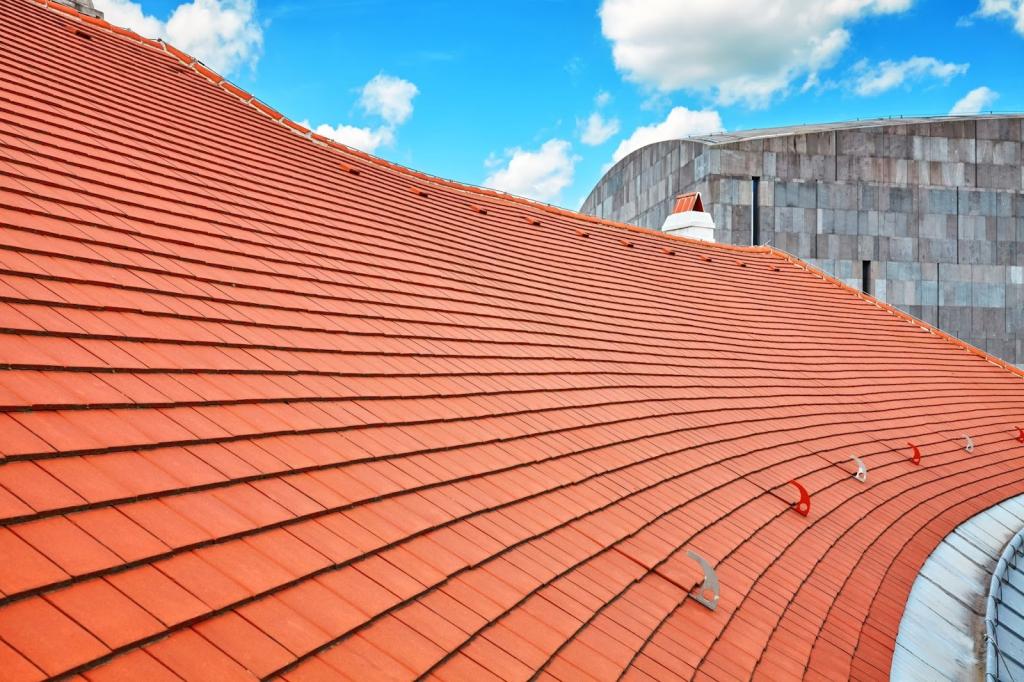
Tile roofing uses clay or concrete tiles shaped to interlock across the roof surface. Homeowners often select tile for its distinctive appearance and long lifespan. This roofing style performs especially well in hot, dry climates. However, structural reinforcement may be necessary due to weight.
Clay Tile Durability and Style
Clay tiles offer natural color retention and resistance to sun damage. Their dense composition withstands high temperatures without warping. This material can last 50 years or longer when installed correctly. Homeowners often choose clay for Mediterranean or Spanish-style homes. Proper underlayment protects against moisture intrusion beneath tiles. Contractors must confirm that the roof framing supports the added weight.
Concrete Tile Performance Factors
Concrete tiles provide a similar look at a lower cost. They effectively resist fire and severe weather. This alternative offers durability but still adds substantial weight to the structure. Surface coatings improve color consistency over time. Routine inspections help identify cracked or displaced tiles. Concrete tile suits homeowners seeking style and resilience within a controlled budget.
Structural Load and Installation Needs
Tile roofing requires careful structural evaluation before installation. This evaluation process determines whether reinforcement is necessary. Roof framing may need upgrades to support long-term weight. Skilled installers align tiles precisely to prevent shifting. Proper flashing around valleys and chimneys prevents leaks. Thorough preparation protects both performance and warranty coverage.
Wood Shingle and Shake Roofs
Wood shingles and shakes create a natural, textured appearance. Many homeowners appreciate their warmth and character. This roofing type works best in regions with moderate humidity. However, maintenance demands exceed those of synthetic materials.
Differences Between Shingles and Shakes
Wood shingles feature a smooth, uniform cut for a refined look. Wood shakes appear thicker and more rustic due to hand-splitting. This textural difference affects visual style and insulation performance. Both options require proper sealing to prevent moisture from entering. Debris removal prevents mold and decay. Regular maintenance preserves structural integrity over time.
Fire Safety and Ongoing Care
Untreated wood roofing presents a higher fire risk in dry regions. Many municipalities require fire-retardant treatments for compliance. This treatment process improves resistance but does not eliminate the need for maintenance. Homeowners must schedule periodic inspections to detect rot or insect damage. Sealing and staining extend lifespan. Wood roofing rewards attentive care with distinctive curb appeal.
Slate Roofing for Long-Term Value
Slate roofing uses natural stone tiles known for exceptional durability. Many historic homes feature slate due to its longevity and elegance. This material can last over a century under proper conditions. Installation requires specialized skill and structural preparation.
Structural Requirements for Slate
Slate tiles weigh more than most other roofing materials. This weight demands reinforced roof framing before installation. Contractors typically assess load capacity during inspection. Improper support can cause sagging or cracking. Skilled installers reduce breakage during placement. Structural preparation protects the investment for decades.
Cost and Lifespan Comparison
Slate costs more upfront than asphalt or metal. However, its extended lifespan reduces the need for replacement. This long service life lowers total ownership cost over time. Individual tiles can be replaced without removing large sections. Many homeowners view slate as a legacy investment. Professional installation directly influences performance and longevity.
Repair Considerations and Expertise
Slate repairs require specialized knowledge and tools. This material can crack if handled incorrectly. Homeowners should hire contractors experienced with stone roofing. Matching replacement tiles maintains visual consistency. Regular inspections identify loose or broken pieces early. Expert care preserves slate’s durability for generations.
Flat and Low-Slope Roof Systems
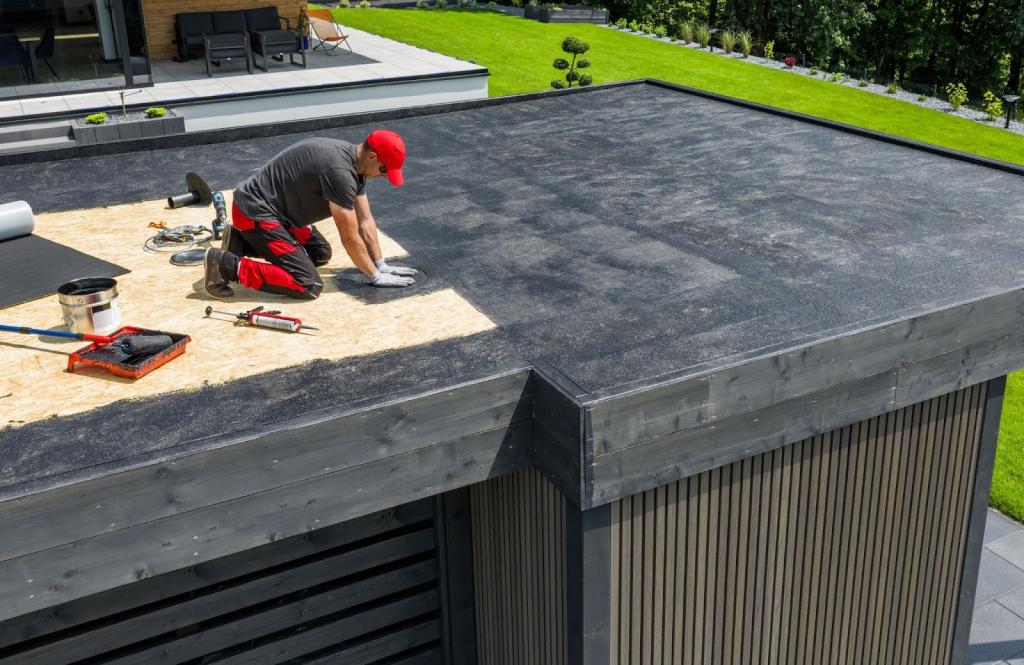
Flat and low-slope roof systems rely on waterproof membranes rather than traditional shingles. These systems appear common in modern residential designs. Proper drainage design prevents standing water and leaks. Material selection plays a central role in long-term durability.
TPO, PVC, and EPDM Membranes
TPO and PVC membranes use heat-welded seams to create watertight barriers. EPDM is a durable synthetic rubber sheet. This membrane system performs well under temperature fluctuations. TPO often reflects sunlight, which supports energy efficiency. EPDM absorbs heat and is suitable for colder climates. Professional installation reduces the risk of seam failure and moisture intrusion.
Drainage and Insulation Considerations
Flat roofs require a slight slope to direct water toward drains. This slope design prevents pooling that accelerates wear. Insulation placement beneath membranes improves indoor temperature control. Contractors often install tapered insulation to enhance drainage flow. Routine inspections identify punctures or seam separation early. Thoughtful design and maintenance extend roof lifespan.
Budget Planning for Roof Replacement
Roof replacement involves upfront costs and long-term financial planning. Material choice, labor rates, and structural upgrades affect total expense. This budgeting process should balance durability with affordability. Careful evaluation reduces unexpected costs during installation.
Installation Costs by Roof Type
Asphalt shingles typically offer the lowest installation cost. Metal, tile, and slate require a higher investment in materials and labor. This price difference reflects complexity and variation in lifespan. Disposal of old roofing adds to project totals. Written estimates clarify scope and prevent misunderstandings. Comparing bids from licensed contractors supports informed decisions.
Long-Term Value and Replacement Cycles
Each roofing system carries a different expected lifespan. Asphalt may require replacement sooner than metal or slate. This lifespan difference affects long-term budgeting strategies. Durable materials reduce disruption from frequent repairs. Homeowners planning to sell may weigh resale value against cost. A well-selected roof type supports property value and buyer confidence.
Plan Your Roof Replacement With the Right Type
Roof types directly influence how your home performs throughout the seasons and in unexpected weather. The material and design you choose will affect maintenance costs, energy use, and long-term durability. A careful evaluation today can prevent structural issues and the need for repeated repairs later. Speak with a qualified roofing professional, review your home’s specific needs, and choose a roofing system that aligns with both your budget and long-term property goals.
For deeper insights on roof types, materials, and smart home upgrades, visit the LKB Home Improvements blog and explore expert guidance tailored to homeowners like you.
