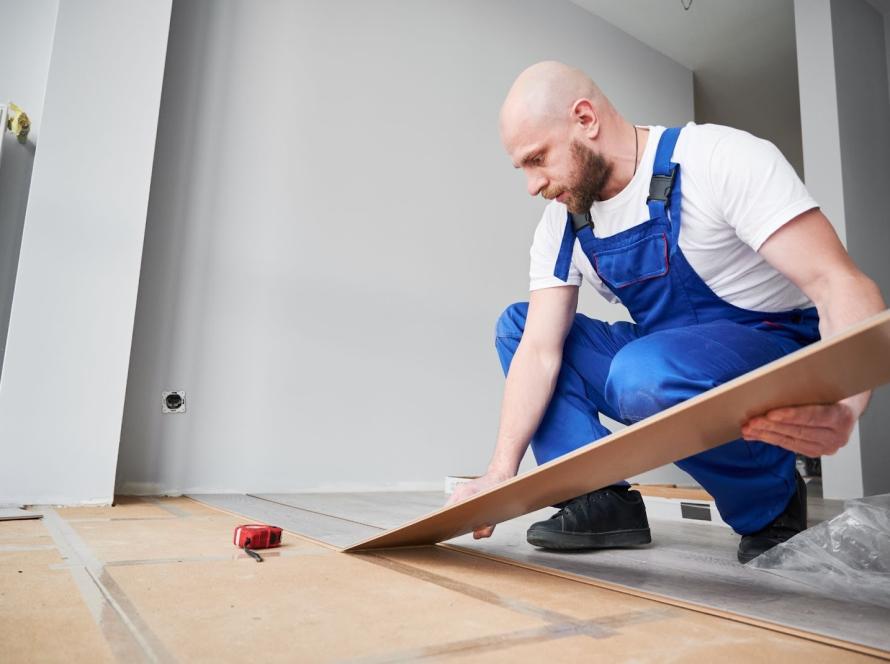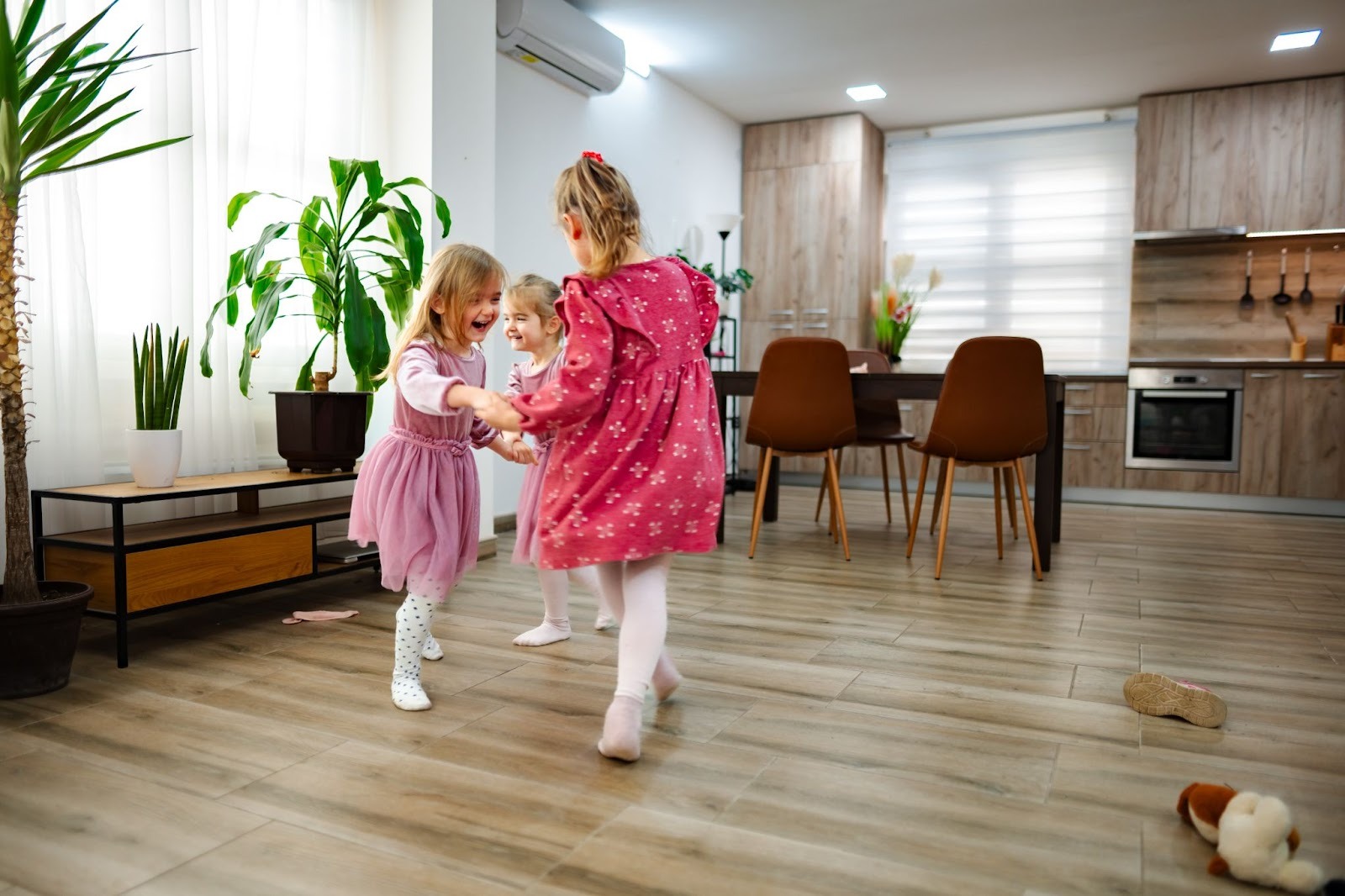
Modern homes demand flooring that keeps pace with real life. Floors must support movement, resist damage, and still look intentional after years of use. Vinyl flooring meets these expectations by combining durability, comfort, and adaptability. Homeowners increasingly select vinyl surfaces for their balance of function and appearance. For households seeking dependable performance without constant upkeep, vinyl flooring remains a compelling solution.
What Vinyl Flooring is in Today’s Homes
Vinyl flooring is a resilient synthetic surface designed for residential performance. This flooring category uses layered construction to combine durability, moisture resistance, and visual flexibility. Homeowners rely on vinyl flooring for areas that experience daily activity. That combination makes vinyl suitable for both renovations and new homes.
Materials and Layer Structure
Vinyl flooring consists of multiple bonded layers that serve distinct purposes. The wear layer protects against scratches, stains, and fading from daily exposure. Below it, a printed design layer delivers realistic visuals that resemble wood or stone. A rigid or flexible core adds stability and impact resistance. Many products include an attached underlayment for added comfort and sound control. This layered structure explains vinyl flooring’s consistent performance.
Manufacturing Improvements
The quality of vinyl flooring has improved due to advances in production technology. High-resolution printing creates sharper visuals and realistic textures. Thicker wear layers extend surface longevity. Improved core materials increase dimensional stability. These upgrades reduce expansion and contraction issues. Modern vinyl reflects these engineering improvements.
Vinyl Flooring Compared to Traditional Materials
Vinyl flooring differs from hardwood, tile, and carpet in overall balance. Hardwood requires refinishing and reacts to moisture. Tile resists water but feels cold and rigid. Carpet softens rooms but traps allergens. Vinyl flooring combines moisture resistance with comfort. This balance supports whole-home installation.
Why Choosing Vinyl Flooring Makes Sense Today
Vinyl flooring stands out as a practical solution for modern homes that demand durability and style. Homeowners increasingly seek flooring that supports daily routines without requiring constant maintenance. Visual versatility and long-term value also influence these decisions. These factors naturally lead to the benefits of choosing vinyl flooring for today’s living spaces.
Built-In Durability for Everyday Living
Durability matters most when flooring must handle daily movement without showing wear too quickly. These surfaces can withstand consistent foot traffic, shifting furniture, and everyday household accidents. Their construction prioritizes long-term appearance retention over short-term performance. As a result, homeowners experience fewer maintenance concerns over time.
Scratch and Dent Resistance in Active Homes
These resilient surfaces resist scratches caused by shoes, pets, and routine furniture movement. The protective wear layer acts as a barrier, limiting visible surface damage. Over time, this protection helps floors maintain a uniform appearance even in busy households. Fewer scuffs mean fewer repairs. Homeowners benefit from surfaces that remain presentable. That consistency supports everyday living without constant worry.
Impact Resistance for Busy Households
This construction absorbs impact more effectively than rigid flooring materials. Dropped objects are less likely to leave permanent marks. Homes with children or pets especially benefit from this resilience. The surface maintains its structure despite repeated stress. Fewer cracks or dents appear over time. That reliability helps flooring perform under real household conditions.
Moisture Protection Across Living Spaces
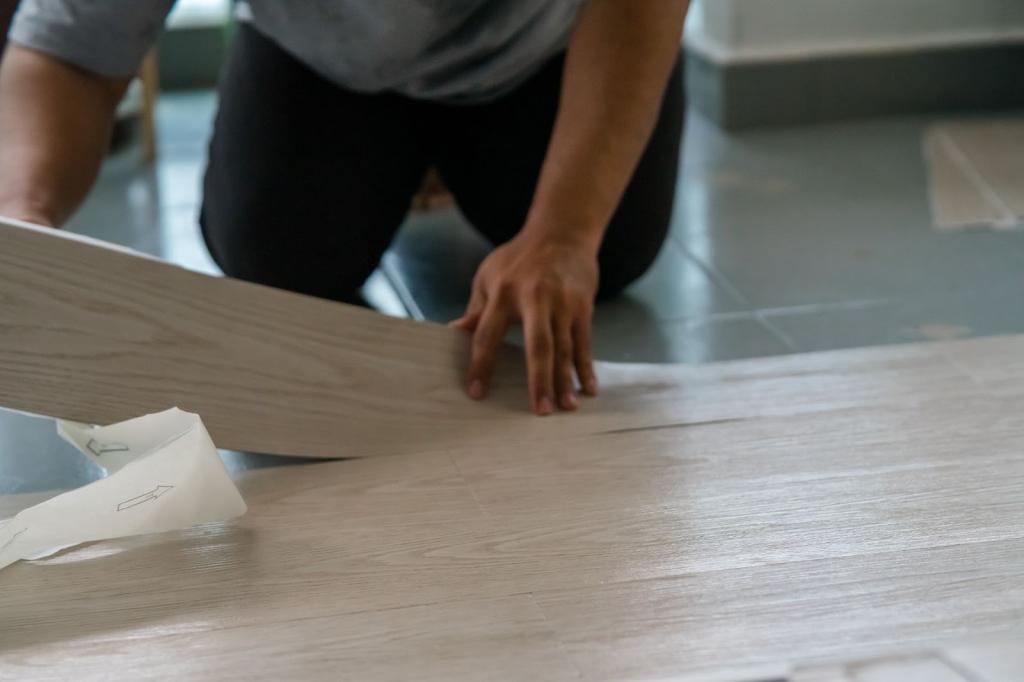
This flooring type resists moisture penetration that often damages traditional materials. That resistance prevents swelling, warping, and surface breakdown. Kitchens and bathrooms gain reliable protection from spills and humidity. Cleaning remains straightforward without lingering residue. Basement installations also perform well under fluctuating conditions. This moisture control allows broader placement throughout the home.
Design Flexibility for Modern Interiors
Modern interiors require flooring that adapts to changing styles without demanding replacement. These surfaces support a wide range of aesthetics through advanced visual design. Homeowners gain creative freedom without sacrificing practicality. That balance allows interiors to evolve naturally over time.
Authentic Wood and Stone Appearances
These designs closely replicate the texture and visual depth of wood and stone. Embossed finishes enhance realism underfoot. Drawbacks of natural materials, such as sealing or refinishing, become unnecessary. Homeowners enjoy familiar aesthetics with less upkeep. The surface remains visually consistent over time. This reliability supports cohesive interior design.
Color and Pattern Customization Options
These surfaces offer a wide selection of colors and patterns that suit a range of décor preferences. Subtle tones support minimalist spaces, while bolder designs add visual interest. Patterned layouts help define areas in open floor plans. Homeowners can tailor the appearance without complex installation. Design choices remain flexible as styles change. This adaptability strengthens long-term satisfaction.
Consistent Design Flow Between Rooms
These materials allow the same visual style to extend across multiple rooms. Transitions feel natural rather than segmented. Connected spaces maintain continuity without abrupt changes. Homeowners avoid mixing incompatible materials. Design cohesion strengthens overall appeal. The home feels intentionally planned.
Comfort Features That Support Daily Use
Comfort influences how a home feels during everyday routines. These flooring systems address comfort through material flexibility and layered construction. Homeowners notice less strain during extended use. That comfort supports livability over time.
Softer Underfoot Feel for Long Standing
This construction provides subtle cushioning beneath the surface. The flexibility reduces pressure on joints during standing tasks. Kitchens benefit especially during long meal preparation periods. Daily activities feel less tiring. Over time, comfort becomes noticeable. Homes feel more accommodating for routine use.
Temperature Stability Throughout the Home
This material maintains a more consistent surface temperature across seasons. Floors feel warmer than tile during cooler months. Bedrooms and living areas gain a more comfortable atmosphere. Temperature stability supports overall comfort. Energy efficiency feels improved. Indoor spaces remain welcoming year-round.
Noise Reduction for Quieter Spaces
These layered surfaces absorb sound rather than amplifying it. Footsteps create less echo across rooms. Multi-level homes experience reduced noise transfer. Privacy improves between shared and private spaces. Daily movement feels less disruptive. Calm interiors support better living environments.
Low-Effort Maintenance for Busy Homes
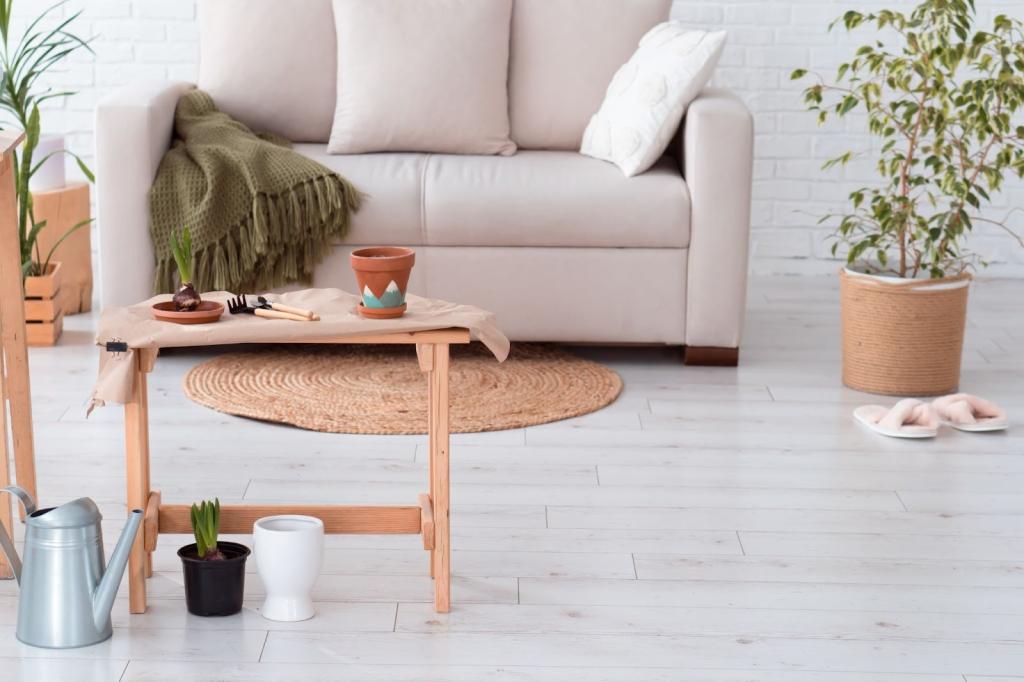
Maintenance simplicity influences long-term satisfaction with flooring. These surfaces resist common stains and buildup that demand frequent attention. Homeowners spend less time cleaning. That convenience supports modern schedules.
Simple Daily Cleaning Routines
This surface responds well to basic sweeping and damp mopping. Dirt and debris lift easily without harsh cleaners. Spills clean quickly before setting in. Maintenance fits into daily routines. Floors remain visually clean with minimal effort. Time savings become noticeable.
Stain Resistance for Common Spills
This finish resists staining from food, drinks, and household messes. Liquids remain on the surface rather than absorbing. Quick cleanup prevents long-term discoloration. Families with children benefit from this protection. Pet-related accidents cause less concern. Peace of mind increases with use.
Predictable Long-Term Care Costs
This flooring eliminates the need for refinishing or resealing. Individual sections replace easily when damaged. Repairs stay localized rather than disruptive. Homeowners manage maintenance budgets more accurately. Costs remain stable over time. Long-term care feels manageable.
Cost Efficiency Without Quality Tradeoffs
Balancing cost and performance matters for homeowners planning long-term upgrades. These materials offer pricing flexibility without sacrificing durability. Homeowners choose options aligned with usage needs. Financial planning remains controlled.
Flexible Pricing Across Product Ranges
These options range from entry-level to premium selections. Basic products handle everyday needs reliably. Higher-grade options offer thicker wear layers and added features. Homeowners match cost to lifestyle demands. Quality remains consistent across categories. Budget alignment feels realistic.
Installation Savings and Time Efficiency
These systems install efficiently using modern locking mechanisms. Labor time stays manageable. Subfloor preparation requirements remain limited. Renovation projects finish sooner. Household disruption decreases. Installation efficiency adds value.
Long-Term Value and Resale Appeal
These surfaces enhance overall visual appeal. Buyers often prefer low-maintenance flooring. Durability reassures future owners. Replacement frequency decreases. Home value perception improves. Investment value strengthens gradually.
Health and Safety Benefits Indoors
Indoor environments benefit from surfaces that support cleanliness. Smooth finishes reduce allergen accumulation. Homeowners experience healthier living spaces. Modern production standards reinforce safety.
Hypoallergenic Surface Advantages
This surface does not trap dust, pollen, or pet dander. Allergens remain easy to remove during cleaning. Households with sensitivities notice improved comfort. Regular maintenance reduces irritants effectively. Indoor air feels cleaner. Daily living becomes more comfortable.
Low-Emission and Safety Standards
These products often meet strict low-emission guidelines. Off-gassing remains minimal after installation. Indoor air quality stays stable. Manufacturers follow recognized safety standards. Families gain confidence in material selection. Trust in product safety improves.
Flooring That Fits Modern Lifestyles
Vinyl flooring adapts to evolving routines. Its flexibility supports changing needs. Homeowners value this adaptability. Long-term use remains practical.
Renovation-Friendly Flooring Choice
Vinyl flooring can be installed over many surfaces. Prep time stays limited, thus, projects move efficiently. Design updates feel manageable. Homeowners save effort. Renovations progress smoothly.
Consistency in Open Floor Plans
Vinyl flooring creates seamless transitions. Visual flow remains uninterrupted. Open spaces feel cohesive, and movement feels natural. Design intent stays clear, making homes feel balanced.
Vinyl Flooring’s Room-By-Room Performance
Vinyl flooring adapts across living spaces. Its versatility supports consistent design. Homeowners avoid mismatched finishes. Vinyl flooring makes function and appearance align.
Kitchens and Dining Areas
Vinyl flooring handles spills and traffic. Moisture resistance protects surfaces, which makes cleaning stay simple. Comfort supports cooking tasks, improving the visual flow. Durability remains strong.
Bathrooms and Laundry Rooms
Vinyl flooring resists water damage. Slip-resistant options enhance safety. Design continuity remains possible. Maintenance stays easy,as reliability increases. These rooms benefit greatly.
Living Rooms and Bedrooms
Vinyl flooring supports comfort and quiet. Warm visuals enhance relaxation. Noise stays controlled. Maintenance remains light. Furniture placement stays flexible. Spaces feel inviting.
Build Smarter Spaces With Vinyl Flooring
Choosing the right flooring is only part of the equation—proper installation determines how well it performs over time. Working with an experienced flooring contractor ensures materials are installed correctly, transitions are clean, and finishes hold up to daily use. When planning a flooring upgrade, expert guidance helps avoid costly mistakes while protecting your investment. With the right contractor, your flooring choice becomes a long-term asset, not just a design upgrade.
Every great home decision begins with understanding the details. Read trusted renovation perspectives on the LKB Home Improvements blog.