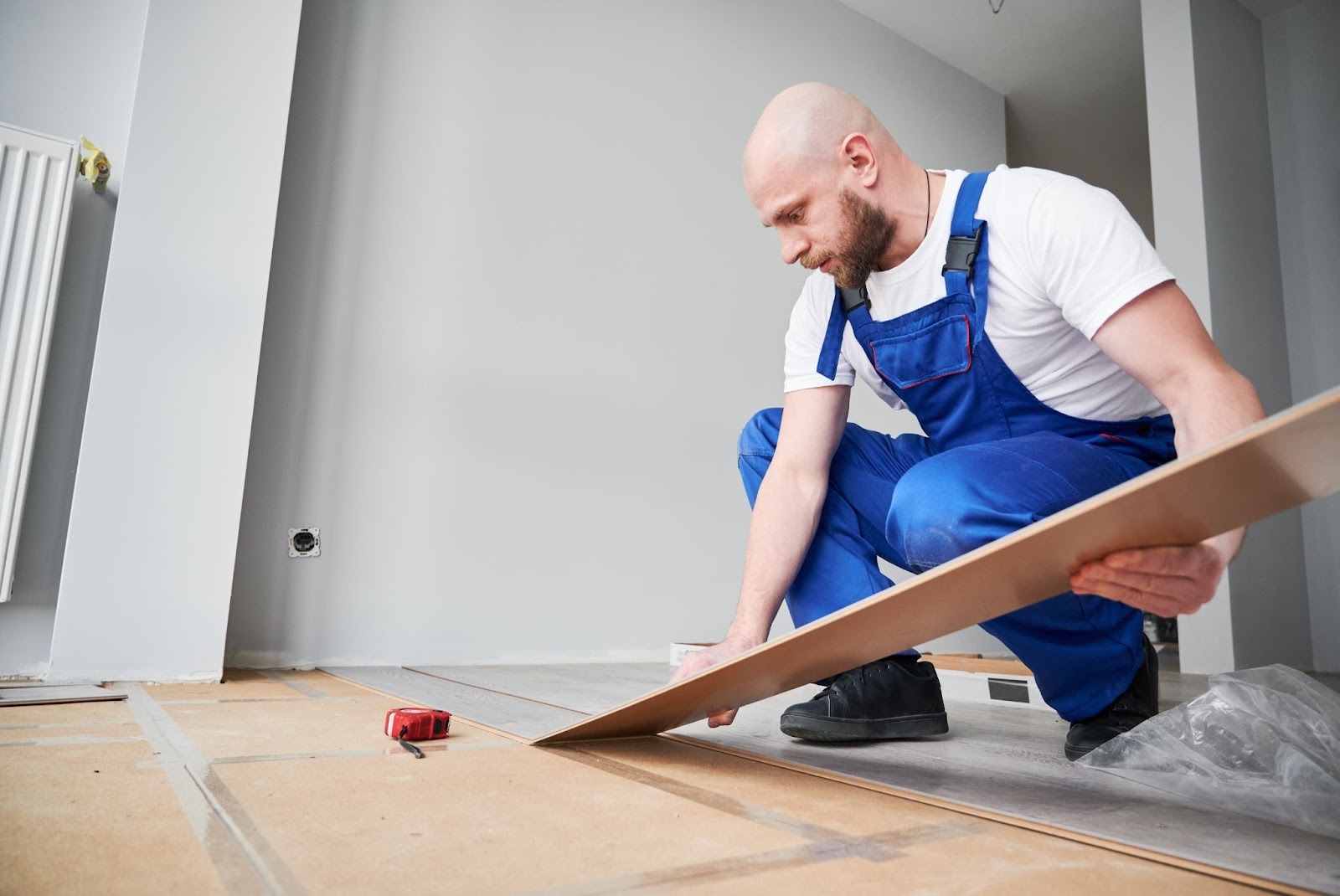
A new floor shapes how a home feels, functions, and holds value over time. Homeowners often focus on materials while overlooking the impact of installation quality on durability. Poor craftsmanship creates issues that surface slowly and cost more to correct later. A flooring contractor brings trained judgment, proper tools, and accountability to the process. That professional involvement protects your home while delivering results built to last.
What a Flooring Contractor Does
A flooring contractor installs and replaces residential flooring using trained methods that meet industry standards. This professional role includes evaluating subfloors, selecting installation systems, and preparing surfaces correctly. Each decision affects how the floor performs under daily use. That expertise helps homeowners avoid structural issues, uneven surfaces, and early material failure.
Flooring Installation Experience That Prevents Errors
A flooring contractor relies on hands-on experience to avoid the common installation mistakes in DIY projects. That professional background helps identify uneven subfloors, moisture risks, and layout problems early. Each correction happens before materials are permanently installed. That proactive approach prevents gaps, buckling, and alignment issues. Contractors recognize warning signs homeowners often miss. That experience protects both appearance and longevity.
Subfloor Evaluation and Surface Preparation
A proper subfloor creates the foundation for lasting flooring performance. That preparation includes leveling, cleaning, and reinforcing weak areas. Contractors test moisture levels before installation begins. This evaluation prevents warping and adhesive failure later. Homeowners often skip this step because they lack the tools. Professional preparation supports stable, long-lasting floors.
Consistent Methods Used Across Flooring Types
A professional installer follows proven procedures tailored to each flooring material. That consistency matters for hardwood, vinyl, tile, and laminate installations. Each material reacts differently to temperature and humidity. Contractors adjust techniques to match those conditions. That adaptability prevents material stress and failure. Consistent methods produce uniform results throughout the home.
Why Flooring Contractors Save Time and Reduce Stress
A flooring contractor manages the entire installation process from planning to completion. That oversight removes guesswork and keeps the project organized. Homeowners benefit from predictable timelines and fewer disruptions. This structure lowers stress during a major home improvement project.
Project Planning That Keeps Work on Schedule
A contractor creates a clear schedule based on room size and material requirements. That planning includes delivery coordination and workspace preparation. Each phase begins only after the previous step completes successfully. That sequence prevents rework and wasted time. Homeowners receive realistic expectations from the start. Clear planning supports smoother daily routines.
Efficient Work Without Rushed Results
Professional installers complete projects faster because they understand the process. That efficiency comes from preparation rather than haste. Tools and materials remain ready at every stage. Each task flows logically into the next. That workflow maintains quality throughout installation—speed results from experience, not shortcuts.
Reduced Disruption to Daily Home Life
Flooring work affects how families use their homes. Contractors plan furniture movement carefully to limit inconvenience. Dust control measures keep the surrounding areas clean. Walkways remain safe during installation. Daily cleanup reduces clutter. That attention helps households function normally during the project.
How Professional Tools Improve Flooring Results
A flooring contractor uses specialized tools designed for precision and durability. That equipment allows cleaner cuts and secure placement. Proper tools reduce material waste and the occurrence of visible flaws. This professional setup improves both appearance and performance.
Precision Cutting for Clean Edges and Seams
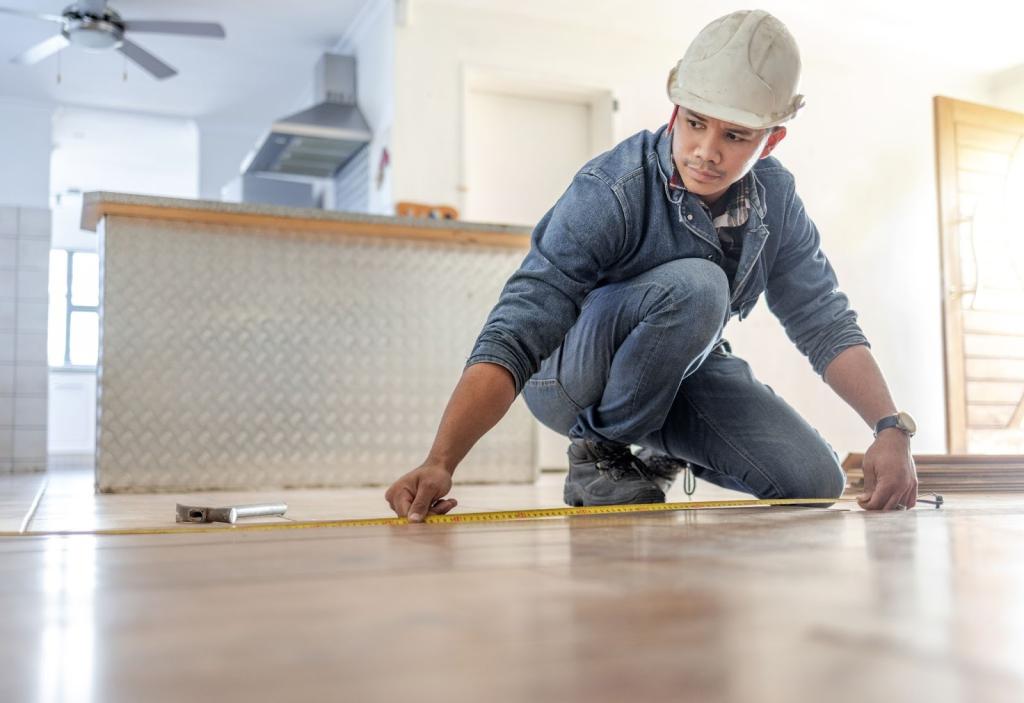
Professional cutting tools deliver straight, accurate edges. That precision prevents gaps between planks or tiles. Seams align consistently across rooms. Patterns remain visually balanced after installation. That accuracy improves both appearance and stability. Clean cuts also reduce material damage.
Equipment That Supports Long-Term Durability
Contractors use machines built for continuous use. That equipment applies even pressure during installation. Flooring settles properly without shifting. Noise and movement decrease over time. Durable tools support stable placement. This reliability protects the finished surface.
Dust Control and Jobsite Safety Tools
Professional installers use tools designed to control dust and debris. That equipment protects indoor air quality during cutting. Safety tools reduce the risk of injury during heavy lifting. Floors and walls remain protected throughout work. Homeowners benefit from a cleaner environment. Jobsite safety supports efficient progress.
How Contractors Help Choose the Right Flooring
A flooring contractor guides material selection based on real household needs. That advice takes into account traffic, moisture exposure, and lifestyle habits. Homeowners receive practical recommendations rather than trend-based suggestions. This guidance leads to better long-term satisfaction.
Flooring Choices Matched to Daily Use
Contractors assess how each room functions daily. That evaluation includes pets, children, and furniture weight. Moisture exposure receives careful consideration. Materials are matched to expected wear levels. That approach prevents early damage. Practical choices extend floor lifespan.
Style Decisions Balanced With Performance
Contractors help balance appearance with durability. That guidance avoids finishes requiring excessive upkeep. Lighting and room size influence color recommendations. Textures are selected for comfort and maintenance. That balance improves everyday usability. Aesthetic appeal lasts longer with informed choices.
Budget Planning With Long-Term Value in Mind
Flooring contractors explain cost differences clearly. That transparency includes installation complexity and material lifespan. Homeowners understand where savings make sense. Short-term cost-cutting receives careful evaluation. Long-term value remains the priority. Smart planning prevents regret later.
Flooring Installation Timing and Home Conditions
Flooring installation timing refers to installing materials under stable indoor conditions that support long-term performance. A flooring contractor evaluates temperature, humidity, and airflow before installation begins. These environmental factors affect how materials expand, contract, and settle. Proper timing prevents avoidable damage that may not appear until months after installation.
Why Indoor Conditions Affect Flooring Performance
Indoor conditions directly influence how flooring materials behave once installed. Wood-based products absorb and release moisture depending on humidity levels. Excess moisture causes swelling, while dry air causes shrinkage. Contractors measure indoor humidity before starting work. That preparation prevents cupping, gaps, and surface stress. Environmental control supports consistent flooring behavior.
Flooring Acclimation in Simple Terms
Floor acclimation allows materials to adjust to indoor conditions before installation. Contractors store flooring inside the home for a set period. This process equalizes moisture content between the material and the space. Skipping acclimation increases the risk of movement after installation. Many warranties require documented acclimation periods. This preparation step protects material stability.
Seasonal Timing and Installation Decisions
Seasonal changes affect indoor climate even in climate-controlled homes. Winter heating dries indoor air significantly. Summer humidity raises moisture levels indoors. Contractors account for these shifts when scheduling installation. Timing adjustments prevent flooring stress during seasonal transitions. That awareness reduces long-term performance issues.
Code Compliance and Warranty Protection
A flooring contractor follows building codes and manufacturer requirements. That compliance protects homeowners during resale or inspection. Proper installation also preserves product warranties. This attention safeguards your investment.
Local Building Codes Contractors Must Follow
Local codes regulate underlayment and moisture barriers. Contractors stay updated on regional standards. That compliance avoids legal complications later. Structural safety remains a priority throughout work. Inspections proceed smoothly when standards are met. Code adherence adds reassurance.
Installation That Keeps Warranties Valid
Manufacturers specify exact installation methods. Contractors follow those instructions precisely. Documentation supports warranty claims if issues arise. Incorrect installation often voids coverage. Professional work preserves manufacturer backing. Warranty protection adds long-term security.
Structural Movement and Flooring Performance
Structural movement refers to how homes naturally shift over time due to temperature changes and settling. A flooring contractor accounts for this movement during installation planning. Floors must move slightly without damage. Proper installation allows flexibility without sacrificing stability.
How Homes Naturally Move Over Time
Homes expand and contract with temperature changes. Framing materials respond to seasonal conditions. Floors sit directly on these structures. That interaction causes subtle surface movement. Contractors anticipate this behavior during layout planning. Awareness prevents flooring failures caused by restraints.
Expansion Gaps and Transition Planning
Expansion gaps allow flooring to move without pressure buildup. Contractors leave precise spacing along walls and fixed objects. Transitions between rooms manage movement across surfaces. Incorrect spacing leads to buckling or cracking. These details often go unnoticed by homeowners. Proper planning keeps floors stable long term.
Fastening Methods That Allow Controlled Movement
Different flooring types require specific fastening systems. Some materials float, while others anchor mechanically. Contractors choose methods that support controlled movement. Incorrect fastening restricts natural expansion. That restriction causes visible damage over time. Professional selection prevents structural stress.
Long-Term Value of Professional Flooring Installation
Professional installation affects how the flooring performs over the long term. That quality reduces repair needs and maintenance costs. Homeowners benefit from durable surfaces that withstand daily use. This long-term value outweighs short-term savings.
Flooring That Improves Home Market Appeal
Professionally installed flooring enhances visual consistency. Buyers notice craftsmanship during walkthroughs. Clean lines signal attention to detail. Flooring becomes a selling advantage. Market perception improves with professional work. Visual quality supports stronger offers.
Reduced Repairs and Ongoing Maintenance
Correct installation prevents movement and surface damage. Flooring remains stable under daily traffic. Repairs become less frequent over time. Maintenance routines stay manageable. Costs decrease throughout ownership. Durability supports homeowner confidence.
Comfort and Stability Underfoot
Professionally installed floors feel secure and even. Movement and creaking remain minimal. Transitions between rooms stay smooth. This stability improves daily comfort. Noise reduction enhances living spaces. Reliable performance supports long-term satisfaction.
Accountability and Support After Installation
A flooring contractor remains responsible after installation. That accountability benefits homeowners long after completion. Support extends beyond the final workday. This relationship builds trust and reliability.
Workmanship Responsibility You Can Depend On
Contractors stand behind their work quality. Issues are addressed promptly if they arise. Communication remains clear after installation. Homeowners know who to contact. That responsibility builds confidence. Reliable follow-up reduces uncertainty.
Professional Guidance for Floor Care
Contractors provide material-specific care instructions. Cleaning methods vary by flooring type. Incorrect products cause surface damage. Professional advice prevents costly mistakes. Seasonal considerations receive explanation. Proper care extends floor lifespan.
Build Better Floors With a Flooring Contractor
Flooring influences how your home functions every single day, not just how it looks at first glance. Shortcuts during installation often manifest as noise, wear, or costly repairs later. A flooring contractor applies technical judgment, disciplined planning, and responsibility that protect your home beyond installation day. Choosing professional expertise means building floors designed to perform reliably for years, not just impress briefly.
Well-built homes rely on informed planning. Read more expert perspectives on flooring and renovations on the LKB Home Improvements blog.